What Is an HVAC System? How It Works & What to Know
An HVAC system heats, cools, and circulates air in your home. Learn how it works, what each part does, and when to call a pro.

An HVAC system is the complete heating, ventilation, and air conditioning setup that controls temperature and air quality in your home. It's really three jobs in one: heating your air when it's cold, cooling and removing humidity when it's hot, and ventilating your spaces so air flows properly and indoor air stays fresh.
If you're trying to understand how your home stays comfortable year-round or wondering whether something's wrong with yours, start here.
The Three Parts of HVAC: Heating, Ventilation, and Air Conditioning
HVAC is an acronym, and each letter means something important.
Heating is the component that warms your home when outdoor temperatures drop. This might be a furnace (which burns fuel like natural gas or oil), a heat pump (which moves warm air from outside to inside), or a boiler (which heats water and distributes it through radiators or radiant floors). When you set your thermostat to 68 degrees in January, the heating system kicks in to reach that target.
Related: Heat Pump Water Heater: How It Works & What to Know
Related: What Is a Gas Furnace? How It Works & When to Replace
Ventilation handles air movement and air pressure inside your home. It pulls in fresh outdoor air, removes stale indoor air, and makes sure air circulates evenly from room to room. Good ventilation also supports healthy indoor air pressure—meaning air doesn't get trapped or create weird pressure differences between spaces. This is especially important in newer, tightly sealed homes where fresh air doesn't naturally leak in through cracks and gaps.
Air conditioning cools your home and pulls moisture out of the air when it's hot and humid outside. An air conditioner works by circulating refrigerant through indoor and outdoor coils, absorbing heat from inside your home and releasing it outdoors. It's the part that makes summer comfortable.
All three work together as one system to keep your home at a comfortable temperature and maintain healthy indoor air year-round.
How Your HVAC System Actually Works
Here's the basic flow:
- You set your thermostat to your desired temperature.
- A sensor detects whether your home is too hot, too cold, or just right.
- If it's too cold, the heating component turns on and warms air.
- If it's too hot, the cooling component turns on and removes heat and humidity.
- A blower fan (or series of fans) pushes air through ducts and vents into each room.
- Return air ducts pull air back toward the system so it can be heated, cooled, or filtered again.
Ventilation works alongside this cycle by introducing fresh outdoor air and exhausting stale air, usually through separate ductwork or dedicated ventilation components. Think of it as your home's lungs—breathing in fresh air and breathing out old air.
Modern systems often include air filters, which trap dust, pollen, and other particles before air circulates back into your living spaces. This improves indoor air quality and also protects your equipment from getting clogged.
Common HVAC System Types
Not every home has the same setup. Here are the most common configurations you'll find:
Forced air systems use a furnace (heating) and air conditioner (cooling) connected to a network of ducts. Warm or cool air is pushed through these ducts by a blower fan. Most homes built in the last 50 years have this type.
Heat pump systems are increasingly popular because they can both heat and cool your home using the same basic equipment. A heat pump moves heat between indoors and outdoors depending on the season. In winter, it extracts heat from outdoor air (even when it seems cold) and brings it inside. In summer, it works like an air conditioner. They're often more efficient than traditional furnace-plus-AC setups, especially in milder climates.
Radiant heating and cooling systems use heated or cooled water flowing through pipes in floors, walls, or ceilings. You don't feel forced air blowing; instead, heat or coolness radiates into the room. These are less common than forced air but becoming more popular in new construction and renovations.
Ductless mini-split systems consist of an outdoor compressor unit connected to one or more indoor wall-mounted or ceiling-mounted units in specific rooms. They don't require ductwork, making them a good option for additions, older homes without ducts, or homes where you want zone control (different temperatures in different rooms).
Key Features to Understand

Efficiency ratings: When your HVAC system is being serviced or replaced, contractors will mention efficiency ratings like SEER (Seasonal Energy Efficiency Ratio) for air conditioning and AFUE (Annual Fuel Utilization Efficiency) for heating. Higher numbers mean the system wastes less energy, which saves you money on utility bills. Newer systems are generally more efficient than older ones.
Refrigerant: Air conditioning and heat pump systems use refrigerant, a chemical that absorbs and releases heat as it cycles through the system. Over time, the industry has changed which refrigerants are used due to environmental concerns. If your system is older, you may hear discussions about refrigerant compatibility or availability when repairs are needed.
Smart controls and thermostats: Many modern HVAC systems can connect to smart thermostats and apps that let you adjust temperature from your phone, set schedules, and track energy use. This convenience can also help you use your system more efficiently.
Indoor air quality features: Some systems include UV lights, electronic filters, or whole-home humidifiers and dehumidifiers that go beyond basic filtering. These can improve air quality and are worth asking about when upgrading.
When to Call an HVAC Professional
Your HVAC system is complex, and some tasks require specialized training and tools. You should hire a licensed, insured HVAC contractor if you need:
- Installation or replacement of a system
- Repair of refrigerant leaks or handling of refrigerant
- Electrical work, including wiring to a thermostat or unit
- Gas line connections (for furnaces or boilers)
- Ductwork sealing or major rerouting
- Diagnosis of strange sounds, smells, or performance issues
A licensed professional will have the right equipment, insurance, and know-how to do the job safely and to code. They can also advise on whether repair or replacement makes sense for your situation.
Basic Maintenance You Can Do
Keeping your HVAC system healthy doesn't require professional skills every time. Here's what you can do:
- Change air filters regularly: Most forced air systems use replaceable filters (1-inch or 4-5-inch thick) that should be swapped every 1-3 months depending on dust levels and whether you have pets. A clogged filter makes your system work harder and wastes energy.
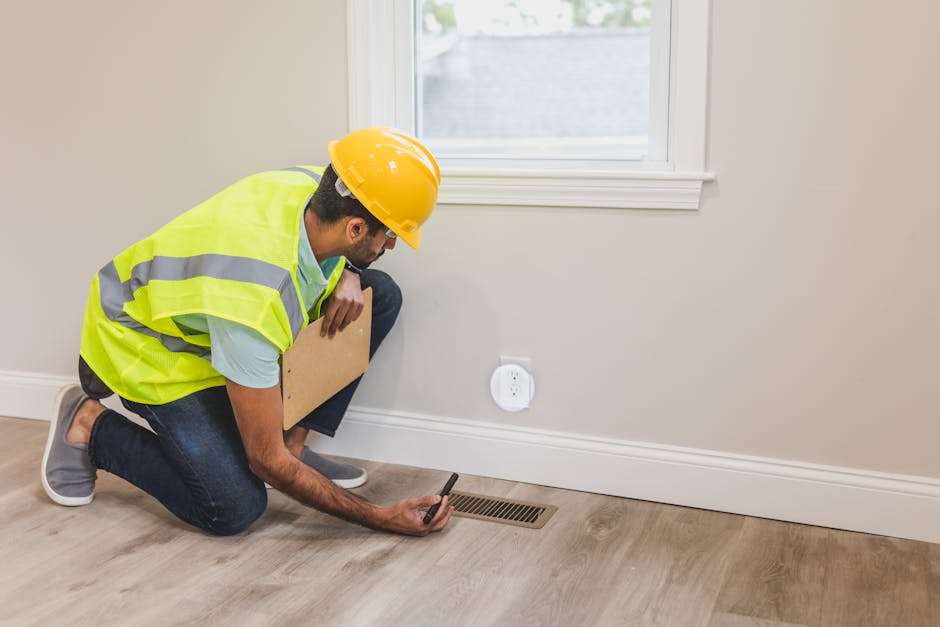
- Keep vents and returns clear: Don't block air vents or return grilles with furniture, curtains, or clutter. Blocked airflow reduces comfort and efficiency.
- Clean around outdoor units: If you have an outdoor air conditioner or heat pump unit, keep grass, leaves, and debris away from it. A clear perimeter helps the system breathe.
- Check thermostat batteries: Many thermostats run on batteries. If your display goes blank or stops responding, swap in fresh batteries.
- Schedule annual professional service: Once a year (usually before heating or cooling season), a technician should inspect your system, clean coils, check refrigerant levels, and make sure everything is running safely and efficiently.
What to Expect When Upgrading Your HVAC System

If your current system is old, breaking down often, or simply not keeping up, replacement might make sense. Costs vary widely based on your home size, your region, local labor rates, the type of system you choose, and whether new ductwork is needed. A complete forced air system replacement (furnace and air conditioner) typically costs more than a ductless mini-split system, but pricing depends on many factors specific to your home.
When you're ready to explore options, get quotes from multiple licensed contractors. They can assess your current setup, recommend a size and type that fits your needs, and explain what's included in their price.
Understanding your HVAC system helps you make better decisions about repairs, upgrades, and everyday maintenance. Whether you're troubleshooting a problem, asking smarter questions of a contractor, or just curious about how your home stays comfortable, knowing what each part does and why ventilation matters puts you in a stronger position.
Common questions
A furnace creates heat by burning fuel (like natural gas or oil) or using an electric heating element. A heat pump moves existing heat from outdoors to indoors (in winter) or vice versa (in summer). Heat pumps tend to be more efficient in moderate climates because they don't generate heat—they relocate it. Furnaces are better at maintaining comfort in very cold climates where it's hard to extract outdoor heat. Some homes use both: a heat pump for routine heating and cooling, plus a furnace as a backup for extreme cold.
Most HVAC systems last 15-20 years with regular maintenance. If your system is breaking down frequently, requires expensive repairs, or is losing efficiency, it might be time to replace it. A licensed contractor can assess whether repair or replacement makes financial sense for your situation.
Yes. You can upgrade air filters to higher-efficiency models, add UV lights or electronic filters to kill bacteria and mold, or install a whole-home humidifier or dehumidifier. Some heat pump and forced air systems also have built-in ventilation or energy recovery features that bring in fresh outdoor air while removing stale air. Talk to an HVAC contractor about which upgrades fit your budget and concerns.
Strange sounds can mean different things: rattling (loose parts or debris), squealing (belt or bearing issues), grinding (motor problems), or whooshing (airflow noise or blockages). Some noise is normal, especially during startup and shutdown. Persistent or new noises warrant a professional inspection to rule out damage or unsafe conditions.