Electric Tankless Water Heater: How It Works & When to Install
Electric tankless water heaters heat water on demand, save space, and reduce energy waste. Learn how they work, costs, and if one fits your home.

An electric tankless water heater heats water only when you turn on a faucet or shower, instead of keeping a large tank of water hot all day. The moment hot water demand stops, the unit shuts off. This on-demand approach eliminates the waste of traditional storage tank systems and can reduce your energy bills.
These units are compact, wall-mounted or closet-sized, and work well for homes with modest hot water needs. But they have real limitations in homes with multiple bathrooms or high simultaneous usage. Before you decide whether one makes sense for your situation, it helps to understand how they work, what they cost, and what installation involves.
How an Electric Tankless Water Heater Works
Cold water enters the unit through an inlet pipe. As soon as it detects flow, an internal heating element (usually a copper coil or metal chamber) rapidly warms the water to your set temperature. The hot water then flows directly to your faucet or fixture.
Related: Heat Pump Water Heater: How It Works & What to Know
Unlike a tank system that heats 40 to 80 gallons continuously, a tankless unit only runs when water is being used. This is why it uses less energy overall.
Related: Tankless vs Tank Water Heater: Which Saves More Money?
Modern electric tankless models include self-modulating technology. This means the heating element adjusts its power output based on incoming water temperature and flow rate. On a cold winter day, the element works harder. On a warm day, it eases back. This keeps your water temperature stable even as demand or conditions change.
Energy Efficiency and Savings
Electric tankless systems are more energy-efficient than traditional storage tanks because they don't keep a large volume of water heated when no one is using hot water. You avoid the standby losses that happen all night or while you're away.
How much you save depends on your current system, your climate, how much hot water your household uses, and your local electricity rates. Someone in a cold climate using a lot of hot water may see meaningful savings. A household that showers quickly and rarely runs multiple hot-water appliances at once might see less dramatic results.
Installation quality and the right unit size for your home also affect real-world efficiency. That's why hiring a licensed electrician and plumber is important.
Flow Rate and Capacity Limits
This is the biggest catch with electric tankless systems. These units have a maximum flow rate, usually measured in gallons per minute (GPM). Most residential electric tankless heaters deliver between 3 and 6 GPM.
What does that mean in practice? If your shower uses 2.5 GPM and someone turns on the kitchen sink at 1.5 GPM, you've now hit 4 GPM total. The unit might struggle to keep up, and your shower pressure or temperature could drop.
Electric tankless water heaters work best for small homes or apartments with one or two bathrooms and relatively predictable hot water use. Families with multiple showers running at once, or homes with large bathtubs and dishwashers running simultaneously, often outstrip what an electric tankless unit can deliver.
If high simultaneous demand is a real concern in your home, you might need a larger, tankless gas model instead, or stick with a storage tank.
Space Savings and Installation

One of the big appeals of a tankless system is the space it frees up. A traditional 50-gallon water heater takes up a closet or corner of a basement or utility room. An electric tankless unit is often the size of a small medicine cabinet and can mount on an interior wall almost anywhere.
Installation does require professional work. An electrician will need to run new wiring and potentially upgrade your home's electrical panel if your current service doesn't have enough capacity. Electric tankless heaters are power-hungry—they typically draw 120 to 240 amps depending on the model and flow rate. Running new dedicated circuits is standard practice.
On the plumbing side, a licensed plumber will disconnect your old tank, install the new unit, and run hot and cold water lines. They'll also handle venting if necessary (though most electric models don't need venting like gas units do).
Installation costs vary widely by region, the complexity of your plumbing and electrical setup, whether your panel needs an upgrade, and local labor rates. Budget expectations should come from a licensed contractor who can inspect your specific home.
Maintenance and Lifespan
Electric tankless units generally last 15 to 20 years or more with minimal maintenance. Because water flows through them rather than sitting in a tank, sediment buildup is not an issue the way it is with storage tanks.
Your main maintenance task is occasional flushing to remove mineral deposits, especially if you live in a hard-water area. Some models have built-in descaling cycles. A plumber can handle this during a routine service call if needed.
If your water is very hard, you might consider a whole-home water softener alongside the tankless heater to extend the unit's life and keep it performing efficiently. That's another conversation to have with a plumber.
Comparing to Other Water Heater Types
A storage tank water heater is simpler to install and costs less upfront. But it heats water continuously and loses energy even when no one is home. Gas-powered tankless units deliver higher flow rates and faster recovery than electric models, but they require gas line work and venting, which adds cost and complexity.
Hybrid (furnace" class="ilink">heat pump) water heaters are another option—they pull heat from the air and are highly efficient, but cost more and need proper installation space.
The right choice depends on your home's size, usage patterns, electrical or gas service available, and budget.
Signs You Might Be Ready for a Tankless System
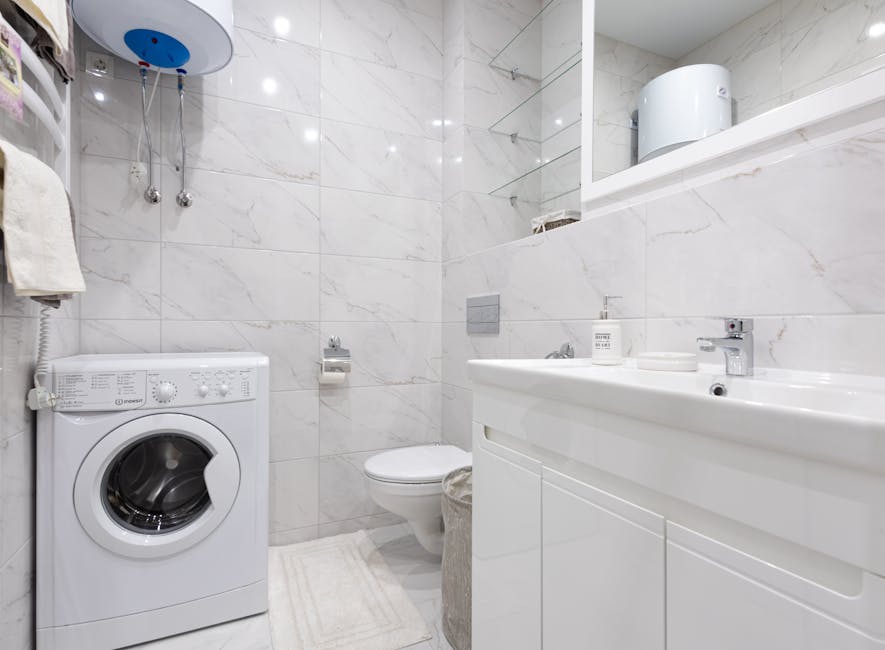
Consider an electric tankless water heater if you live in a small home or apartment, have low simultaneous hot water demand, want to free up storage space, or are frustrated with running out of hot water during peak use times (though a tankless unit won't help if the issue is too-slow recovery from a tank, not tank capacity).
Skip a tankless system if you have a large family with multiple simultaneous showers, run a lot of hot water appliances at once, live in a place where electrical panel upgrades would be costly or impractical, or prefer to stick with proven, simpler technology.
Any decision should start with an assessment by a licensed plumber and electrician. They can evaluate your home's current systems, tell you what upgrades are needed, and give you realistic costs and timelines. This is not a DIY project—the electrical and plumbing work require professional licensing and permits.
Costs and Budget Planning
The real cost lies in labor and any necessary upgrades.
Electrical work to run new circuits and possibly upgrade your service panel can range widely. Plumbing work to remove the old heater and install the new one also varies by regional labor rates and your home's layout.
Get multiple quotes from licensed contractors in your area. They'll inspect your electrical panel, plumbing, and any other factors specific to your home and give you a detailed estimate. Avoid anyone who quotes over the phone without seeing your setup.
Common questions
Yes, in most jurisdictions you need a permit to replace a water heater. The contractor pulling the permit ensures the work meets local electrical and plumbing codes. Permits protect you and add to labor cost, but they're a normal part of the job.
Yes. Solar-heated water can flow into the tankless unit as an input source. If the solar-heated water is already warm enough, the unit uses minimal energy to reach your target temperature. This can boost the overall efficiency of a solar installation, and a solar installer or plumber can discuss the setup with you.
The water starts heating immediately, but the delay you feel is mostly the time it takes hot water to travel through your pipes from the heater to the faucet. This is the same distance whether you have a tankless unit or a tank in the basement. Tankless heaters don't create instant hot water at your tap, only faster delivery once the pipes are full of hot water.
An electric tankless water heater will not work without power. A gas tankless unit may still work on battery backup (if equipped), but electric models simply stop. A tank system continues to provide hot water from its stored supply for a period of time. If power outages are a concern where you live, this is something to weigh.


