What Is a Water Pump? Types, Uses & How They Work
A water pump moves water from one place to another using pressure. Learn how they work, common types, and when you need one for your home.

A water pump is a mechanical device that moves water from one location to another by creating pressure. If you have a well, a pool, a basement that floods, or a rain barrel you want to empty, you'll likely need a water pump at some point. Understanding what a water pump does and which type works for your situation helps you make a smart choice about whether to rent, buy, or hire a professional.
How a Water Pump Works
All water pumps operate on the same basic principle: they use mechanical force to push or pull water through pipes or hoses. Inside the pump is an impeller, rotor, or piston that spins or moves to create pressure. That pressure forces water to flow in the direction you want it to go.
Related: Gas Water Heater: How They Work and When to Use One
The pump needs power to run. Some pumps plug into an electrical outlet. Others run on gasoline or diesel fuel. A few high-end models use water pressure itself as the power source, so they work even when the power goes out. The stronger the pump, the faster and farther it can move water.
Related: What Is an Electric Heater? Types, Uses & How They Work
Related: What Is an Air Conditioning Unit? Types, How They Work
Common Types of Water Pumps for Homes
Most homeowners encounter a few standard types of pumps.
Submersible Pumps sit underwater and push water upward through a pipe. They are commonly used in wells and basement sumps. Because the pump is submerged, it stays cool and quiet. The downside is that if it fails, you have to pull it out of the water to service it.
Gas-Powered Pumps run on gasoline and work without electricity. They are portable and useful for emergencies, draining large volumes of water quickly, or working far from a power outlet. They are louder than electric pumps and require fuel storage and maintenance.
Electric Centrifugal Pumps are the most common type for pools and general water movement. They plug into a standard outlet and are quieter and cheaper to operate than gas models. They cannot run without power.
Water-Powered Backup Pumps use water pressure from your home's main line to operate. They provide emergency water supply and require no electricity or fuel. They are slower than powered pumps but extremely reliable during power outages.
What Water Pumps Are Used For
Residential water pumps serve several practical purposes.
- Supplying water from a private well to your home
- Draining a flooded basement or sump pit
- Emptying a swimming pool or hot tub
- Moving water from a rain barrel or cistern
- Transferring water between tanks or containers
- Maintaining water pressure and flow throughout the house
Each application has different demands. A well pump needs to run consistently and maintain pressure for daily household use. A sump pump operates only when water collects in the pit. A pool pump runs for a few hours daily during swimming season.
Pressure and Flow Rate Matter
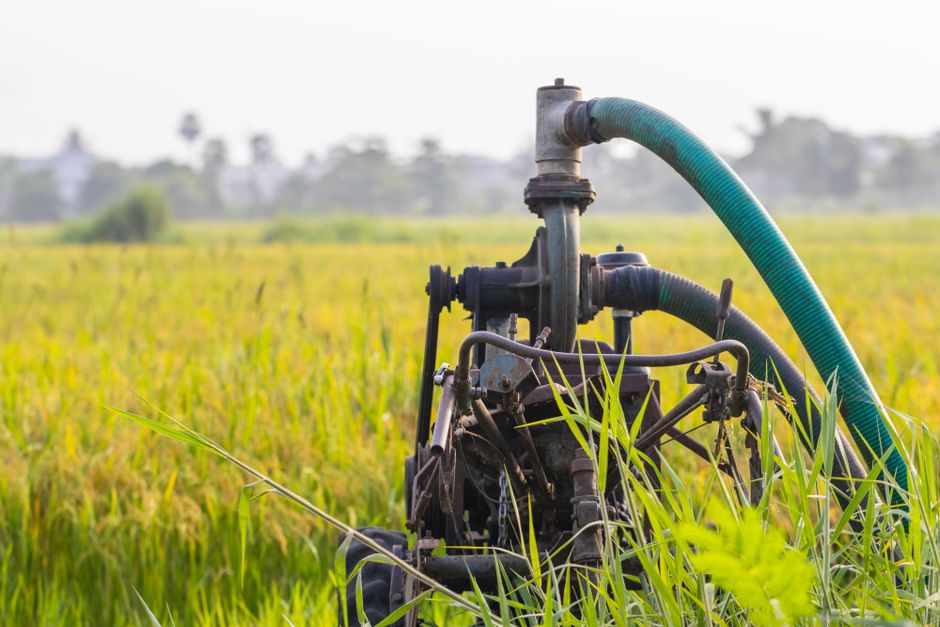
Two specs define how well a pump performs for your job: pressure and flow rate.
Pressure is measured in PSI (pounds per square inch). It determines how far and how high a pump can push water. Residential well pumps typically deliver 45 to 60 PSI, which is enough to supply water to showers, dishwashers, toilets, and laundry without losing pressure. Higher pressure is useful if your home sits uphill from the water source or if you have multiple outlets running at once.
Flow Rate is measured in gallons per minute (GPM). It tells you how much water the pump can move in a given time. A small utility pump might move 100 GPM, while a larger pool pump can handle 500 GPM or more. The job determines the flow rate you need. Draining a flooded basement quickly requires high GPM. Supplying a household well needs steady, moderate flow.
Residential vs. Commercial Water Pumps
Water pumps come in sizes for every use.
Residential pumps are built for household needs. They are smaller, quieter, and less expensive. Installation and wiring add to the total cost.
Commercial pumps are heavier-duty machines designed to move large volumes of water for farms, construction sites, factories, and municipal systems. They are larger, more powerful, and built to run longer hours. Commercial pumps are overkill for a home and are often rented rather than purchased.
Should You Install a Water Pump Yourself?
Some pump jobs are DIY-friendly. If you are draining a pool or basement and need to rent a portable pump for a day, renting and operating one is straightforward. Read the manual, connect the hoses, plug it in, and it works.
Permanent installations are different. A well pump requires trenching, electrical wiring, pressure tank setup, and permit approval. A sump pump needs pit preparation, discharge piping, and sometimes a backup power system. These tasks involve plumbing code, electrical safety, and structural work. Mistakes can lead to water damage, electrical hazard, or system failure.
Hiring a licensed plumber or electrician for permanent pump installation is the safer, smarter choice. The professional handles permits, ensures code compliance, and guarantees the work. The cost of installation typically ranges based on your region, the pump type, and how much digging or wiring is involved.
Maintenance and Lifespan
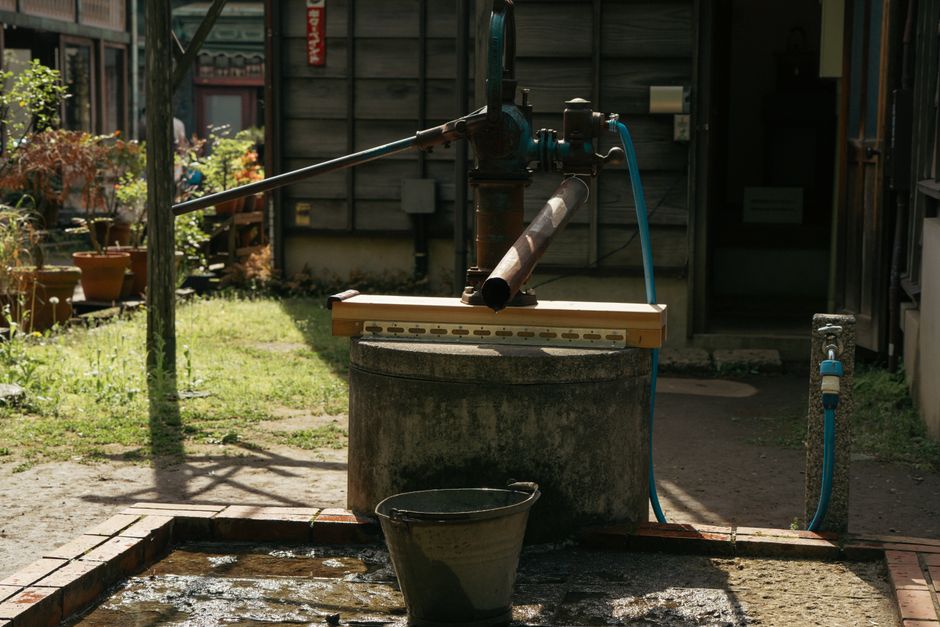
How long a water pump lasts depends on the type, how often it runs, and how well it is maintained.
A well pump in steady use typically lasts 10 to 15 years before needing replacement. Sump pumps last 5 to 10 years, partly because they sit in wet conditions. Portable pool and utility pumps last several years with proper care.
Regular maintenance extends pump life. Keep intake screens clean so the pump does not work harder than necessary. Check discharge lines for clogs. For electric pumps, listen for unusual noises, which can signal wear. Gas-powered pumps need fuel filter and oil changes like any engine. If you hear grinding, rattling, or loss of pressure, have a professional inspect the pump soon.
When to Call a Professional
Call a licensed plumber or pump installer if you need a permanent water system installed, if an existing pump has stopped working, or if water pressure has dropped. These signs point to a problem that requires professional diagnosis.
A professional can test the pump and pressure, check for leaks, examine the tank or pit, and recommend repair or replacement. They can also help you choose the right pump size and type for your home's layout and water use. Though it costs more upfront than attempting a fix yourself, professional work saves money by preventing damage and ensuring reliable operation for years.
What's the difference between a pump and a compressor?
A pump moves liquid (water, oil) from one place to another. A compressor squeezes air or gas into a smaller space to increase pressure. Both are useful for different jobs, but they work on different principles. Pumps move fluids; compressors move gases.
Can a water pump work without electricity?
Yes. Gas-powered pumps run on fuel and need no electricity. Water-powered backup pumps use your home's water pressure as their energy source and work even during power outages. However, most common residential pumps are electric and require a power outlet or wired connection to function.
How much does a water pump cost?
A residential well pump ranges from several hundred to over a thousand dollars, depending on type and capacity. A sump pump costs less, typically in the low hundreds. Installation and labor can double or triple the total expense. Rental of a portable pump for a day or weekend is much cheaper, usually in the tens of dollars. Costs vary by region, materials, and the complexity of the job.
Do I need a permit to install a water pump?
Most areas require a permit for permanent water system installations, especially well pumps and sump systems that tie into your home's plumbing or electrical system. Permits ensure the work meets code and protects your home from safety hazards. A licensed professional knows your local rules and will secure permits as part of the job. Skipping permits can cause trouble if you sell your home or file an insurance claim later.
Common questions
A pump moves liquid (water, oil) from one place to another. A compressor squeezes air or gas into a smaller space to increase pressure. Both are useful for different jobs, but they work on different principles. Pumps move fluids; compressors move gases.
Yes. Gas-powered pumps run on fuel and need no electricity. Water-powered backup pumps use your home's water pressure as their energy source and work even during power outages. However, most common residential pumps are electric and require a power outlet or wired connection to function.
A residential well pump ranges from several hundred to over a thousand dollars, depending on type and capacity. A sump pump costs less, typically in the low hundreds. Installation and labor can double or triple the total expense. Rental of a portable pump for a day or weekend is much cheaper, usually in the tens of dollars. Costs vary by region, materials, and the complexity of the job.
Most areas require a permit for permanent water system installations, especially well pumps and sump systems that tie into your home's plumbing or electrical system. Permits ensure the work meets code and protects your home from safety hazards. A licensed professional knows your local rules and will secure permits as part of the job. Skipping permits can cause trouble if you sell your home or file an insurance claim later.