Window Replacement: When, Why, and What to Expect
Learn when you need window replacement, how it improves your home, what the process involves, and realistic costs. A straightforward guide for homeowners.
What Is Window Replacement and When Do You Need It?
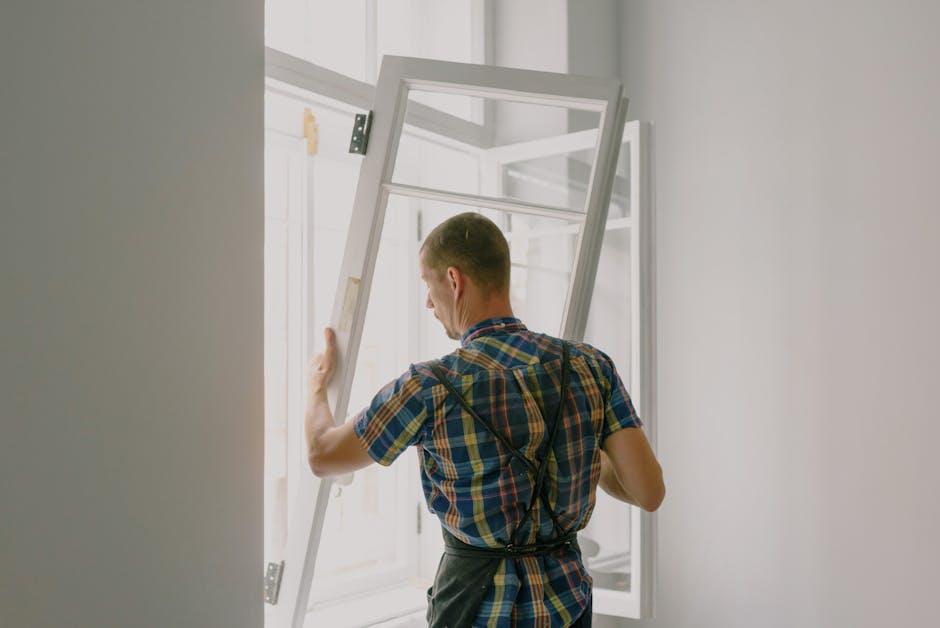
Window replacement means removing your old windows and installing new ones in their place. You might need it when your current windows are broken, drafty, fogged up, or simply outdated.
The most common reasons homeowners replace windows are energy efficiency, broken glass or frames, damaged seals, stuck or broken locks, and cosmetic updates. If your windows are letting in cold air, sweating on the inside, or you're spending more on heating and cooling, replacement is often worth considering.
Related: Metal Roofing: What It Is, How It Works & What to Expect
Why Replace Windows?
Better energy efficiency is the biggest payoff. New windows with modern seals, frames, and glass coatings reduce heat loss in winter and block unwanted heat in summer. This lowers your heating and cooling bills over time.
Improved comfort is another major benefit. No more drafts, no more condensation on the panes, and no more struggle to open or close them. Your home stays more consistent in temperature and humidity.
Curb appeal matters too. Fresh, clean windows update the look of your home's exterior and can make the whole place feel newer and better maintained.
If a window lock is broken, replacement of the entire window or just the lock mechanism may be necessary. A broken lock is a security risk and a sign that the window frame or hardware is aging.
The Window Replacement Process
Professional installation is strongly recommended for window replacement. It is not a typical DIY project because precision, weatherproofing, and structural integrity matter a lot.
Here is what happens when you hire a professional:
- A contractor visits your home to measure windows and assess the existing frames and sills.
- You receive a quote based on the number of windows, materials, and labor.
- The old windows are carefully removed without damaging the walls or trim.
- New windows are installed with proper sealing and insulation around the edges.
- Interior and exterior trim is finished to match your home's style.
- Final checks ensure all windows open, close, and lock smoothly.
The entire project typically takes a few days to a few weeks depending on how many windows you are replacing and how complex the installation is.
What Does Window Replacement Cost?

Cost depends heavily on the number of windows, the type and quality of the new windows, your region, and labor rates in your area.
Exact pricing varies widely based on window size, materials (vinyl, wood, aluminum, or composite), glass upgrades (energy-efficient coatings, double or triple pane), and whether any structural repairs are needed.
Before you commit, get quotes from multiple contractors. Many offer free in-home consultations or virtual assessments to evaluate your windows and provide an estimate. Some regions offer rebates or tax credits for energy-efficient window upgrades, so ask about those too.
Choosing the Right Windows
Window material affects price, durability, and appearance. Vinyl is affordable and low-maintenance. Wood looks classic but requires more upkeep. Aluminum is durable but conducts heat easily. Composite materials combine benefits but cost more.
Energy efficiency ratings matter. Look for windows with low U-values and Solar Heat Gain Coefficient (SHGC) ratings suited to your climate. Double-pane and triple-pane windows offer better insulation than single pane.
Style and color should match your home's architecture. Consider whether you want single-hung, double-hung, casement, sliding, or picture windows.
Finding and Hiring a Window Installer
Look for licensed, insured contractors with experience in window replacement. Check references and reviews from past customers.
Ask each contractor for a detailed written quote that includes materials, labor, timeline, and warranty information. Do not just pick the lowest price; consider the company's reputation and the quality of their work.
Ask about warranties on both the windows themselves and the installation. Most quality windows come with a manufacturer's warranty of 10-20 years. Installation warranties typically cover labor for 1-5 years.
Once you have chosen a contractor, confirm the start date, expected timeline, and how they will protect your home during the work. Ask how they will handle disposal of old windows and cleanup.
After Your Windows Are Installed

Walk through with the contractor and verify all windows operate smoothly. Check that seals are tight and there are no gaps or drafts around the frames.
Keep your warranty documentation in a safe place. You may need it if an issue arises down the road.
Maintain your new windows by cleaning them regularly and inspecting seals and weatherstripping annually. This keeps them performing well for decades.
Should I replace windows myself or hire a professional?
Hire a professional. Window installation requires precision, proper flashing to prevent water leaks, weatherproofing, and sometimes structural adjustments. A poor installation can lead to drafts, leaks, and damage to your home's frame and walls. This is not a safe or practical DIY task for most homeowners.
Related: Water Heater Replacement: When & How to Do It
How long do replacement windows last?
Quality replacement windows typically last 20-30 years or more with proper maintenance. Vinyl windows often last 20-25 years. Wood and composite windows can last 30+ years if cared for. Aluminum windows are durable but less energy-efficient and may need seal replacements sooner.
Will replacement windows reduce my energy bills?
Yes, typically by 10-15% over time, though the exact amount depends on your climate, your old windows' condition, the efficiency rating of the new windows, and how much you heat and cool your home. It takes several years for the energy savings to offset the replacement cost, but you also gain comfort and convenience immediately.
Do I need permits for window replacement?
Some jurisdictions require permits for window replacement, especially if the project involves structural changes or if your home is historic. Most reputable contractors will handle permits as part of their service. Always ask your contractor whether permits are needed in your area before work begins.
Common questions
Hire a professional. Window installation requires precision, proper flashing to prevent water leaks, weatherproofing, and sometimes structural adjustments. A poor installation can lead to drafts, leaks, and damage to your home's frame and walls. This is not a safe or practical DIY task for most homeowners.
Quality replacement windows typically last 20-30 years or more with proper maintenance. Vinyl windows often last 20-25 years. Wood and composite windows can last 30+ years if cared for. Aluminum windows are durable but less energy-efficient and may need seal replacements sooner.
Yes, typically by 10-15% over time, though the exact amount depends on your climate, your old windows' condition, the efficiency rating of the new windows, and how much you heat and cool your home. It takes several years for the energy savings to offset the replacement cost, but you also gain comfort and convenience immediately.
Some jurisdictions require permits for window replacement, especially if the project involves structural changes or if your home is historic. Most reputable contractors will handle permits as part of their service. Always ask your contractor whether permits are needed in your area before work begins.