Lawn & Garden
A healthier lawn and garden with straightforward advice on watering, weeds, seeding, mowing, and seasonal care.
A healthy lawn and garden is mostly about doing a few basic things consistently, watering deeply and less often, mowing at the right height, feeding at the right time, rather than any single miracle product. Once you understand the rhythm, the yard largely takes care of itself.
These guides answer the practical questions: how to make grass thicker, when to fertilize and seed, how to handle weeds and bare spots, and how to get ready for each season. Lawn advice is seasonal and regional by nature, so we focus on the principles and the timing rather than exact calendar dates. Small, steady effort beats occasional heroics, and it costs far less than reviving a lawn you let go.
All Lawn & Garden guides

How to Get Rid of Lawn Grubs: Treatment & Prevention
Learn when to treat lawn grubs, which products work best, and how to prevent them. Step-by-step guide to eliminate grub damage before it spreads.

How to Prepare Your Lawn for Winter: Step-by-Step Guide
Get your lawn ready for cold weather. Learn mowing height, aeration, fertilizing, and timing so your grass survives winter strong.

How Short Should You Cut Your Grass: A Simple Guide
Cut grass 2-3 inches high for most lawns. Follow the 1/3 rule to avoid stress and keep your lawn healthy. Learn the right mowing height for your grass type.

Why Is My Grass Turning Yellow? Common Causes & Fixes
Yellow grass usually means heat stress, poor watering, nitrogen deficiency, or mowing too short. Here's how to diagnose and fix it.
How to Overseed a Lawn: Step-by-Step Guide
Overseeding fills in thin spots and strengthens your lawn. Learn the best timing, prep steps, and techniques to do it right.
How to Get Rid of Crabgrass: 5 Proven Methods
Kill crabgrass fast with manual removal, smothering, boiling water, or vinegar spray. Learn prevention tips to stop it from coming back.
Best Time to Plant Grass Seed: Spring vs. Fall Guide
Plant grass seed in late August through mid-September for best results. Learn why fall beats spring and how climate affects your timing.

How to Fix Bare Spots in Your Lawn: A Step-by-Step Guide
Bare lawn spots happen. Here's exactly how to prep the soil, seed or sod, and get your grass back—fast, cheap, and done right.

When to Fertilize Your Lawn: Spring, Summer & Fall Schedule
Learn the best times to fertilize your lawn in spring, summer, and fall. Understand soil temperature, frequency, and how to time applications for thick, healthy grass.
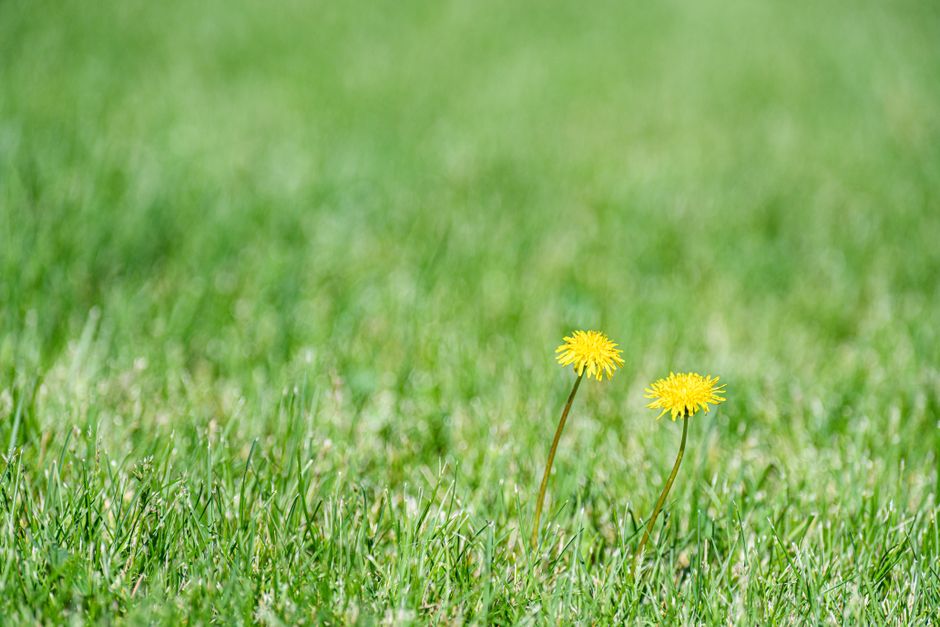
How to Get Rid of Weeds in Your Lawn: 5 Methods That Work
Stop weeds before they spread. Learn prevention, herbicides, manual removal, and home remedies to reclaim your lawn—from prevention to complete removal.
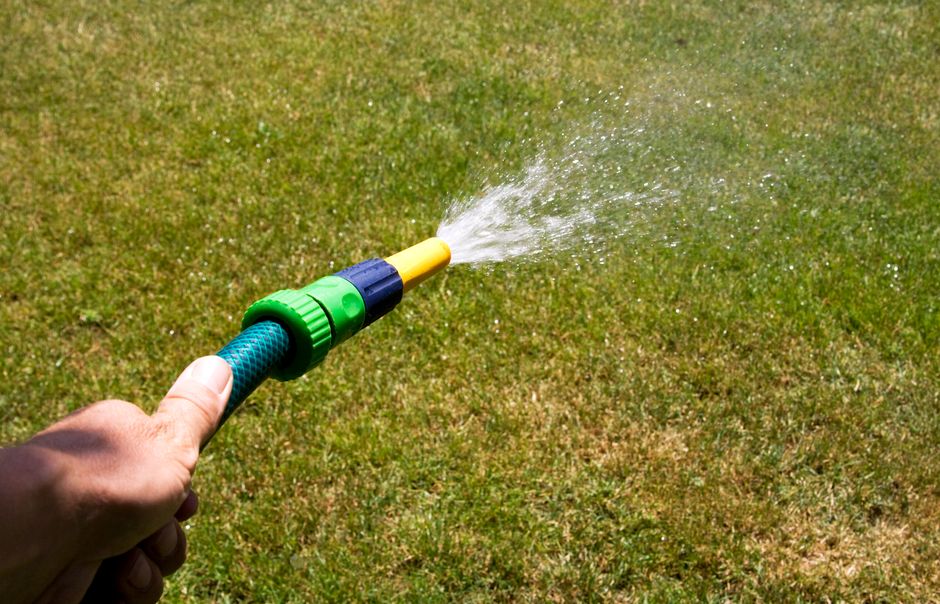
How Often Should You Water Your Lawn? A Seasonal Guide
Most lawns need 1-2 inches of water per week. Water deeply once or twice weekly, not daily. Here's when, how often, and why frequency matters.

How to Make Your Grass Thicker and Greener: Step-by-Step
Thicker, greener grass starts with proper watering, fertilization, and mowing. Learn the exact steps to transform your lawn in weeks.