Heat Pump Water Heater: How It Works & What to Know
Heat pump water heaters use electricity efficiently to heat water by moving heat instead of generating it. Learn how they work and if one fits your home.

A furnace" class="ilink">heat pump water heater is an electric water heater that works differently than the standard models most homes use. Instead of burning fuel or using a heating element to create heat directly, a heat pump water heater pulls heat from the air or ground around it and moves that heat into your water tank. This approach uses significantly less energy than traditional electric water heaters, which makes it an appealing option if you want to lower your electricity bills.
The technology sounds complex, but the basic idea is straightforward: a heat pump works like an air conditioner running in reverse. You might also hear these units called hybrid electric water heaters, which is just different terminology for the same technology.
How a Heat Pump Water Heater Actually Works
Inside a heat pump water heater, there's a compressor, a refrigerant, and coils that pull heat from surrounding air. The process happens in a few simple steps.
First, the unit's evaporator coil absorbs heat from the air around it, even when that air feels cool. That heat warms up a refrigerant liquid, which then flows to the compressor. The compressor pressurizes the refrigerant and makes it even hotter. That hot refrigerant then passes through a condenser coil wrapped around your water tank, transferring its heat into the water inside.
Once the refrigerant cools down, it cycles back to the evaporator coil, and the whole process repeats.
Because the heat pump is moving existing heat instead of generating new heat, it uses far less electricity.
Where Heat Pump Water Heaters Work Best
Heat pump water heaters perform better in some settings than others, so location matters when you're deciding whether one is right for your home.
Related: Heat Pump vs. Furnace: Which System Is Right for Your Home?
These units work most efficiently in climates where the air temperature stays reasonably mild year-round or where winters aren't extremely cold. They pull heat from the surrounding air, so the warmer that air is, the easier and faster the process. In hot climates, they run very efficiently. In moderate climates, they still save energy compared to standard electric heaters.
In very cold regions, a heat pump water heater can still work, but it may run less efficiently during winter months because there's less heat in the air to extract. Some models include a backup electric heating element that kicks in during those cold periods, so your water heats up quickly even when outdoor air is frigid.
Heat pump water heaters also need adequate space around them because they pull air into their evaporator coil. A basement, garage, or utility closet with good air circulation is ideal. If you put one in a tiny, sealed space, it won't have enough air to work with and performance drops.
Energy Efficiency and Cost Savings
The main reason people choose a heat pump water heater is energy efficiency. These units use roughly one-third to one-half the electricity of a standard electric resistance water heater, depending on climate and usage patterns.
Lower energy use means lower utility bills. Over a year, that savings can add up noticeably. However, the upfront cost of a heat pump water heater is higher than a conventional electric water heater. Installation ranges quite a bit depending on your region, whether you need new venting, and labor costs in your area, so talk to a licensed plumber about what the total expense would look like for your home.
Because of the energy savings, a heat pump water heater often pays for itself over time through reduced electricity costs. How long that payback takes depends on your local electricity rates, how much hot water your household uses, and what type of water heater you're replacing.
Smart Features and Controls
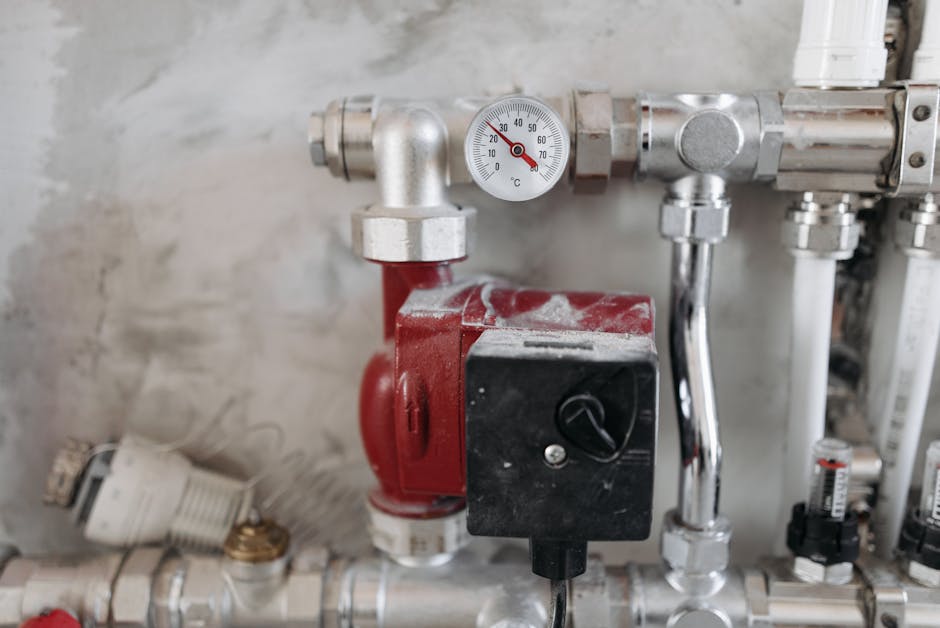
Many newer heat pump water heater models come with WiFi connectivity and smart home integration. This means you can monitor water temperature and energy use from your phone, adjust settings remotely, or schedule heating times to take advantage of cheaper electricity hours if your utility offers time-of-use rates.
Some models let you set a vacation mode that uses less energy when no one's home, or you can receive alerts if something goes wrong. These features aren't essential for basic operation, but they can be convenient if you like having control and visibility into your home systems.
Installation and Professional Help
Installing a heat pump water heater is not a straightforward DIY job for most homeowners. The work involves plumbing connections, electrical wiring, and sometimes venting modifications, all of which require licensed professionals in most places.
A plumber and possibly an electrician will need to assess your current setup, remove your old water heater, install the new unit, and make sure all connections are safe and up to code. They'll also ensure the unit has proper air circulation for the evaporator coil to work effectively.
Because installation is complex and involves different trades, get quotes from licensed professionals in your area. Costs vary based on your home's layout, existing infrastructure, and local labor rates.
Comparing Heat Pump to Other Water Heaters
You have several options when replacing a water heater. A standard electric resistance water heater is the cheapest upfront but uses the most electricity. A gas water heater is efficient if you already have a gas line and pay lower gas rates. A tankless water heater heats water on demand but requires a bigger upfront investment.
A heat pump water heater sits in the middle: it costs more than a standard electric heater but often less than tankless, and it saves more energy than both electric resistance and gas in most climates.
Related: Tankless vs Tank Water Heater: Which Saves More Money?
Maintenance and Lifespan
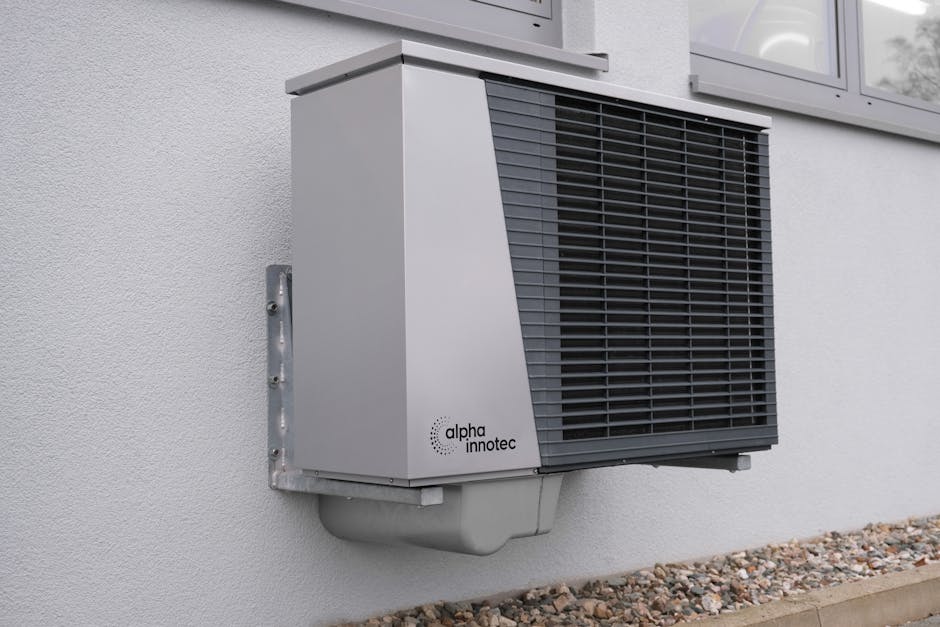
Heat pump water heaters need basic maintenance similar to any water heater. You should flush the tank periodically to remove sediment buildup, which is a task a plumber can handle during regular service.
The lifespan of a heat pump water heater is typically 10 to 15 years, which is similar to conventional electric water heaters. The compressor and refrigerant system are durable, but like any mechanical equipment, parts can wear out over time.
Checking your unit's warranty when you purchase it is smart. Some models come with longer coverage for parts and labor, which provides peace of mind if something breaks unexpectedly.
Should You Install One in Your Home?
A heat pump water heater makes sense if you want to cut your energy bills, your climate is moderate to warm, you have space for proper installation, and you can afford the higher upfront cost.
It makes less sense if you live in an extremely cold region year-round, you have very limited space, or you're on a tight budget and need the cheapest option right now.
The best way to decide is to get a professional assessment from a licensed plumber who can look at your home, your current water heating setup, your climate, and your energy usage. They can give you realistic numbers for cost, installation timeline, and expected savings so you can make an informed choice.
Common Questions About Heat Pump Water Heaters
Can a heat pump water heater work in a cold climate?
Yes, heat pump water heaters work in cold climates, but they're less efficient in very cold weather because there's less heat in the air to extract. Many cold-climate models include an electric backup heating element that activates when outdoor temperatures drop too low. This keeps your water heating reliable even in winter, though you'll use more electricity during those months than you would in a warmer climate.
How much noise does a heat pump water heater make?
Heat pump water heaters do make some noise from the compressor and fan, though most models are quieter than window air conditioners. The sound level varies by model and brand. If noise is a concern, place the unit in a location away from bedrooms or living spaces, like a basement or garage. Asking a plumber about noise levels for specific models before installation can help you choose one that fits your tolerance.
Is a heat pump water heater safe to use indoors?
Yes, heat pump water heaters are safe for indoor installation in basements, garages, and utility closets. They don't produce combustion byproducts or flames like gas water heaters do. However, they do pull air from the space around them to extract heat, so good ventilation and adequate airflow in the installation area are important for efficiency and safety.
What if my home already has an electric water heater?
If you already have an electric water heater, switching to a heat pump model is straightforward from a plumbing standpoint because the connections are similar. The main difference is that electrical requirements may change slightly, and your electrician will need to verify your panel has capacity for the heat pump's compressor. A licensed electrician and plumber working together can assess your setup and handle any upgrades needed.
Common questions
Yes, heat pump water heaters work in cold climates, but they're less efficient in very cold weather because there's less heat in the air to extract. Many cold-climate models include an electric backup heating element that activates when outdoor temperatures drop too low. This keeps your water heating reliable even in winter, though you'll use more electricity during those months than you would in a warmer climate.
Heat pump water heaters do make some noise from the compressor and fan, though most models are quieter than window air conditioners. The sound level varies by model and brand. If noise is a concern, place the unit in a location away from bedrooms or living spaces, like a basement or garage. Asking a plumber about noise levels for specific models before installation can help you choose one that fits your tolerance.
Yes, heat pump water heaters are safe for indoor installation in basements, garages, and utility closets. They don't produce combustion byproducts or flames like gas water heaters do. However, they do pull air from the space around them to extract heat, so good ventilation and adequate airflow in the installation area are important for efficiency and safety.
If you already have an electric water heater, switching to a heat pump model is straightforward from a plumbing standpoint because the connections are similar. The main difference is that electrical requirements may change slightly, and your electrician will need to verify your panel has capacity for the heat pump's compressor. A licensed electrician and plumber working together can assess your setup and handle any upgrades needed.