TPO Roofing: What It Is and How It Works
TPO roofing is a single-ply membrane for flat and low-slope roofs. Learn how it works, its benefits, costs, and whether it's right for your home.
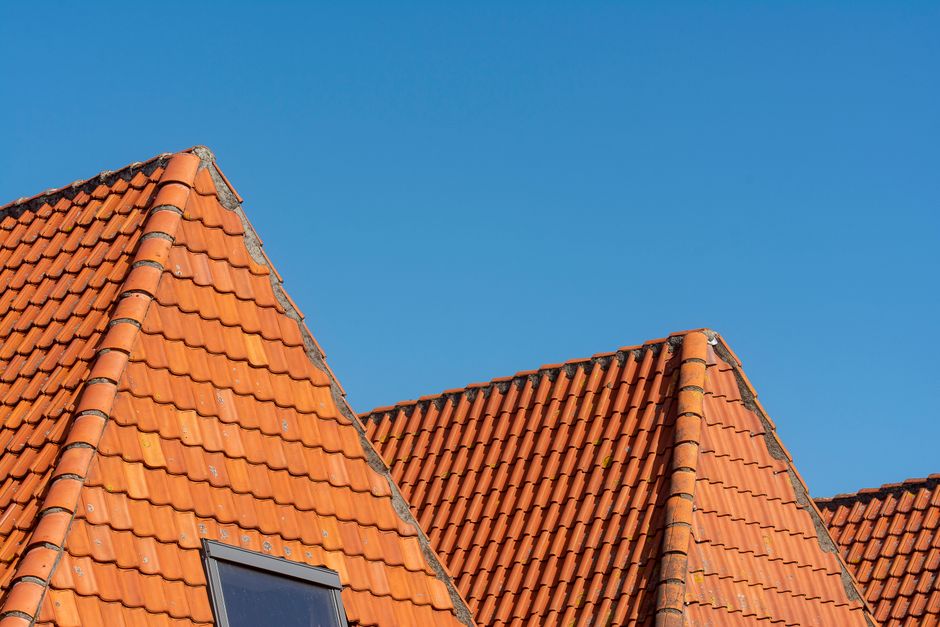
TPO roofing is a single-ply thermoplastic polyolefin membrane that covers flat and low-slope roofs. It's one of the most common choices for residential and commercial buildings because it's durable, energy-efficient, and relatively affordable compared to other flat roof options.
If you have a flat roof and you're trying to figure out what material to use or whether to replace an existing one, understanding TPO can help you make a smarter decision before you call a contractor.
Related: What Is a Gas Furnace? How It Works & When to Replace
What Is TPO Roofing?
TPO stands for thermoplastic polyolefin. It's a flexible plastic membrane, usually white or light gray, that rolls out across your roof like a giant sheet. The membrane typically contains a polyester reinforcement layer built into it, which makes it stronger and more puncture-resistant than it would be on its own.
The seams where two pieces of TPO meet are welded together using heat. This heat-welding process creates a bond that's stronger than glued seams or mechanical fasteners, which is why heat-welded seams are considered the gold standard in TPO installation.
TPO roofing is designed for roofs with a slope of 2:12 or less (meaning the roof rises 2 inches for every 12 inches it runs horizontally). It's not meant for steep, angled roofs. Those require shingles or other sloped-roof materials instead.
Why TPO Roofing Matters to Your Home
A TPO roof protects your building from rain, wind, UV damage, and temperature swings. When installed correctly with proper drainage and ventilation, it creates a protective envelope that keeps water and moisture out of your attic, walls, and foundation.
Related: Electric Tankless Water Heater: How It Works & When to Install
Related: Metal Roofing: What It Is, How It Works & What to Expect
Related: Heat Pump Water Heater: How It Works & What to Know
One of the biggest reasons homeowners and building owners choose TPO is energy efficiency. The light-colored surface reflects sunlight rather than absorbing it. This means your roof stays cooler, which reduces the demand on your air conditioning system during hot months. Lower cooling costs add up, especially in warm climates.
TPO also resists ultraviolet (UV) rays better than some older roofing membranes do. That resistance slows down the material's breakdown over time, which extends the life of your roof.
How TPO Roofing Is Installed
TPO installation requires a licensed roofing contractor. Here's what the process looks like at a high level:
- The contractor inspects the existing roof and removes old roofing material if you're replacing an old roof.
- A base layer (called the substrate or insulation) is installed to provide cushioning and thermal protection.
- TPO sheets are rolled out across the roof.
- Seams are heat-welded together using specialized equipment.
- Flashings (metal or plastic trim) are installed around roof penetrations like vents, skylights, and chimneys.
- The edges are sealed and fastened to prevent lifting from wind.
The entire installation process typically takes several days depending on the size and complexity of your roof. A professional will make sure all seams are properly welded, drainage is clear, and the membrane is securely attached.
Lifespan and Maintenance

A properly installed TPO roof typically lasts 15 to 20 years, sometimes longer with regular maintenance. The exact lifespan depends on climate, UV exposure, weather events, and how well the roof is maintained.
To extend the life of your TPO roof, you should have it inspected at least once a year, ideally in spring or fall. A contractor will look for seam separation, punctures, blistering, debris buildup, and signs of water damage. Gutters and drain areas should be kept clear so water doesn't pool on the roof surface. Pooling water (called ponding) is the biggest threat to flat roofs because it puts excess weight and stress on the membrane and can eventually lead to leaks.
Minor repairs like patching a small hole or re-welding a seam are usually inexpensive. Catching problems early is far cheaper than waiting until the damage spreads and water gets into your building.
Cost Considerations
The cost of installing or replacing a TPO roof varies widely based on your roof size, local labor rates, the complexity of your roof layout, and whether you're removing an old roof first. In general, you can expect TPO to fall in the mid-range of roofing material costs, making it more affordable than some premium options but potentially more expensive than basic tar-and-gravel systems.
Replacement costs are typically quoted per square foot of roof area. A contractor will give you an estimate based on a site visit and measurement of your roof. If you're comparing quotes, make sure each one includes the cost of removing old roofing, new TPO membrane, insulation, flashings, labor, and any repairs needed to the roof structure.
Maintenance costs are usually modest if you stay on top of annual inspections and catch small issues before they become big ones. If you neglect maintenance and a seam fails, you could be facing interior water damage that costs far more to repair than the roof itself.
TPO vs. Other Flat Roof Materials
TPO competes mainly with PVC membrane and modified bitumen (tar-based) systems. PVC is slightly more durable and puncture-resistant but typically costs more. Modified bitumen is heavier and can be more difficult to repair. TPO offers a good balance of cost, durability, and ease of installation, which is why it's become so popular in the flat roofing market.
If you're deciding which flat roof material to use on a new building or a major replacement, it's worth getting estimates from contractors who specialize in different systems. Each material has trade-offs, and the best choice depends on your climate, your budget, and how much maintenance you're willing to do.
Environmental and Building Benefits
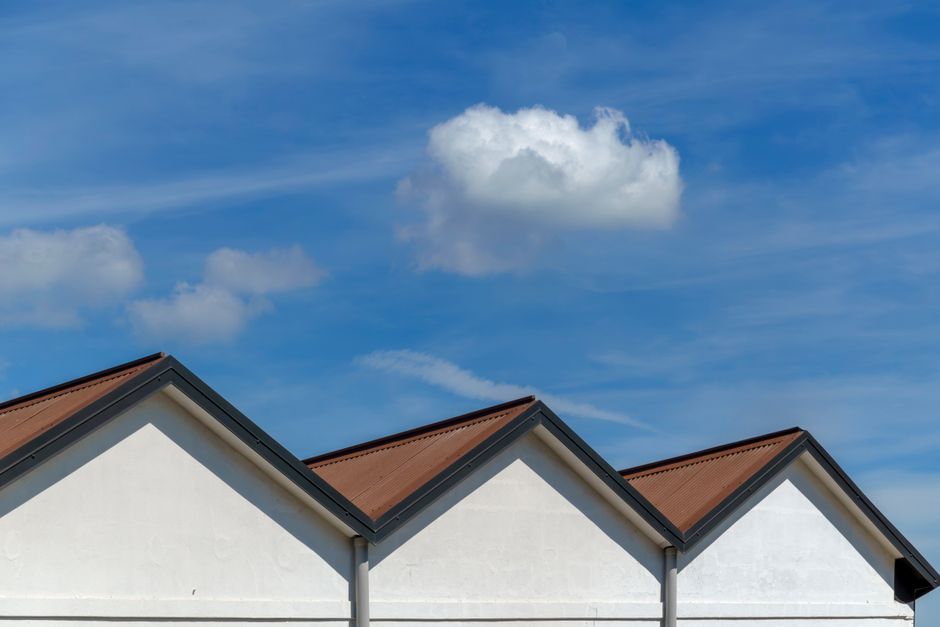
TPO roofs can help lower your building's environmental footprint. The reflective surface reduces the urban heat island effect (the tendency of cities to be hotter than surrounding areas due to dark roofing and pavement). Lower energy use for cooling means fewer emissions from your power plant.
Many TPO products are recyclable, and some manufacturers use recycled content in their membranes. If sustainability is important to you, ask your contractor about the specific products they use and whether they can be recycled at the end of life.
Depending on your local building codes and utility programs, a TPO roof might qualify for energy efficiency rebates or incentives. Check with your local utility company or building department to see whether installing TPO could reduce your taxes or energy bills.
When to Replace or Repair Your TPO Roof
If your TPO roof is still in its first 10 to 15 years and damage is limited to a small area (a puncture, a seam separation, or minor blistering), repair is usually the right call. A licensed contractor can patch the problem for a fraction of the cost of a full replacement.
If your roof is in its late teens or older, multiple areas are damaged, seams are failing in several spots, or the membrane is thin and brittle, replacement is typically more cost-effective in the long run. Trying to patch an aging roof can feel like chasing problems, because as the material ages, new leaks and seam failures tend to follow.
A professional roofing contractor can help you weigh whether repair or replacement makes sense for your specific situation. They'll inspect the roof, assess the condition of seams and the membrane, and advise you on what's realistic in terms of remaining lifespan.
Common questions
Look for water stains on your ceiling or walls, especially after heavy rain. Soft spots, blistering, or pooling water on the roof surface are also warning signs. If you spot any of these, call a licensed roofer for an inspection. Don't wait, because water damage spreads quickly and becomes more expensive to fix the longer it goes unchecked.
You can, but you shouldn't do it regularly or without precautions. Walking on a TPO roof can cause punctures, especially if you're wearing shoes with sharp heels or if there's gravel or debris on the surface. If you need to access your roof for maintenance or inspection, hire a licensed contractor with the right equipment and experience.
Heat-welded seams are stronger and more durable. They're created by melting the overlapping edges of TPO together using specialized equipment, creating a bond that lasts as long as the membrane itself. Glued seams (usually called adhesive seams) are weaker and can separate over time, especially in extreme temperature swings. Always ask your contractor to use heat-welded seams.
Sometimes, but not always. If your existing roof is relatively flat, structurally sound, and doesn't have too much debris or damage, a new TPO layer can sometimes be installed on top. However, this isn't ideal because it adds weight to your building and can trap moisture underneath. Most contractors recommend removing the old roof first. Your roofer will assess whether your roof structure can handle a layover or whether removal is necessary.