Roof Repair vs. Replacement: How to Decide
Should you repair or replace your roof? Learn the key signs, cost factors, and when each option makes sense for your home.

The question of whether you need a new roof or just a repair comes down to three things: your roof's age, the extent of the damage, and whether fixing it again and again makes financial sense. Here's how to figure out which path is right for you.
How Old Is Your Roof?
Age is the biggest clue. Most asphalt shingle roofs last between 15 and 25 years, depending on the climate, ventilation, and how well the roof was installed and maintained. If your roof is under 15 years old and the damage is small and localized, repair almost always makes sense. A few missing shingles or a small leak? Fix it and move on.
If your roof is between 17 and 20 years old, you've entered the critical zone. This is when you absolutely need a professional inspection before making any decision. A roofer can walk your roof, check the condition of the shingles, and tell you how much life is left. Don't skip this step. Visual checks from the ground aren't enough.
If your roof is 20 years old or older and showing multiple problem areas, replacement is usually the smarter choice. Repairing an old roof that's about to fail anyway is like putting new tires on a car with a blown engine. You're throwing money at a temporary fix.
Related: How Much Does a Roof Replacement Cost in 2026
What Does the Damage Look Like?
The scope of damage matters just as much as age. Small, isolated problems are repair candidates. We're talking about a handful of missing or curling shingles, a localized leak, or damage from a fallen branch in one area.
Multiple problem areas point toward replacement. If you have leaks in different parts of your roof, shingles curling or balding across large sections, or signs of water damage inside your attic, your roof isn't just failing in one spot. It's failing overall. That means repairs will be temporary band-aids.
Check your attic for water stains, mold, or damp insulation. Look at the underside of your roof deck from inside the attic if you can safely access it. Water damage spreads quickly and can rot wood framing, which is expensive to repair later. Early action prevents that cascade of problems.
Do the Math: Repair Costs vs. Replacement
Here's the honest financial reality. Repairs cost less upfront than replacement, but frequent repairs on an aging roof drain your wallet fast. A single repair might run anywhere from a few hundred to a few thousand dollars, depending on the damage and your region. Replacement typically costs significantly more and varies widely based on your roof size, materials, labor costs in your area, and local building codes.
If you're spending $500 to $2,000 on repairs every couple of years on a 18-year-old roof, stop and think. You're betting that the next repair won't happen, or that you'll sell the house before the roof fails completely. That's risky. A professional roofer can give you a ballpark repair cost and a replacement cost so you can compare. If repairs keep approaching 50% of the replacement cost, replacement usually wins.
Why? Because roofers see the full picture. They know if your roof has one or two years left or seven. That information is worth the inspection cost.
Your Time Horizon Matters
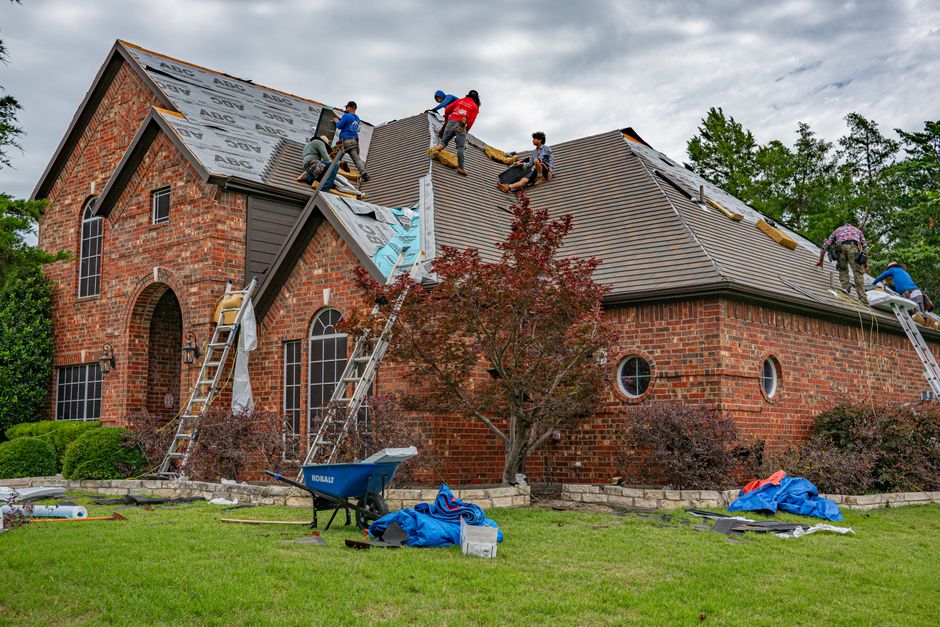
How long do you plan to stay in your home? This changes the equation. If you're selling in two years, a strategic repair might be enough to get you to closing. Buyers and their inspectors will see the roof's condition, but a fresh repair can buy time.
If you plan to stay for 10+ years, replacement is an investment in your peace of mind and your home's future. You won't face another major roof failure, and new roofing can also improve your home's insulation and energy efficiency, which lowers heating and cooling costs. Over a decade, that adds up.
Red Flags That Point to Replacement
Certain signs tell you replacement is coming, whether now or very soon.
- Widespread curling, buckling, or bald spots on shingles
- Multiple active leaks or a history of recurring leaks
- Visible sagging or uneven roof line
- Granules from shingles clogging gutters in large amounts
- Interior water damage, stains, or mold in the attic
- Roof is 20+ years old and showing any significant damage
If you see more than one of these, your roof is probably near the end of its life. Repair might buy you a year or two, but replacement will solve the problem for real.
Previous Repairs and Maintenance History
If you bought your home recently, check the seller's disclosure documents. How many times has the roof been repaired? Has it ever been replaced? If it's been patched multiple times, that tells you the roof has ongoing problems. A roof that's been cared for and repaired once or twice is different from one that's been a chronic problem.
If you're looking at a home to buy, ask the inspector about the roof specifically. A roof with a known history of repairs is a red flag that suggests either poor installation, poor ventilation, or simply age catching up. Budget for replacement soon after purchase.
When to Call a Professional

You need a professional roofer for an inspection if your roof is over 15 years old, or if you've spotted damage and you're unsure whether to repair or replace. A licensed, insured roofer will climb up, examine the materials and structure, check flashing and ventilation, and give you a honest assessment. They'll tell you if repairs will work or if you're wasting money.
Never attempt roof work yourself, especially if you have to go up at height or if the damage involves structural issues, water intrusion, or replacing multiple shingles. That's a job for someone with insurance, equipment, and training. Injuries from falls are serious and expensive.
Get at least two professional opinions if you're on the fence about repair vs. replacement. Different roofers may assess the remaining life differently, and a second opinion gives you confidence in your decision. When you have professional guidance, the choice becomes clear.
Don't Wait On This Decision
Roof problems get worse if you ignore them. A small leak becomes a large one. A damaged section spreads. Water seeps into insulation, wood framing, and interior walls. Mold can grow. Repair costs explode. The longer you delay, the more expensive the eventual fix becomes.
If you're unsure, schedule an inspection now. A roofer can tell you whether you have months or years, whether repair makes sense or replacement is necessary. Then you can plan and budget accordingly. That clarity is worth the inspection fee, and it keeps a small problem from becoming a catastrophic one.