What Attracts Mice Into a House: Common Entry Points
Mice enter homes seeking food, water, and shelter. Learn what lures them in and how to stop an infestation before it starts.
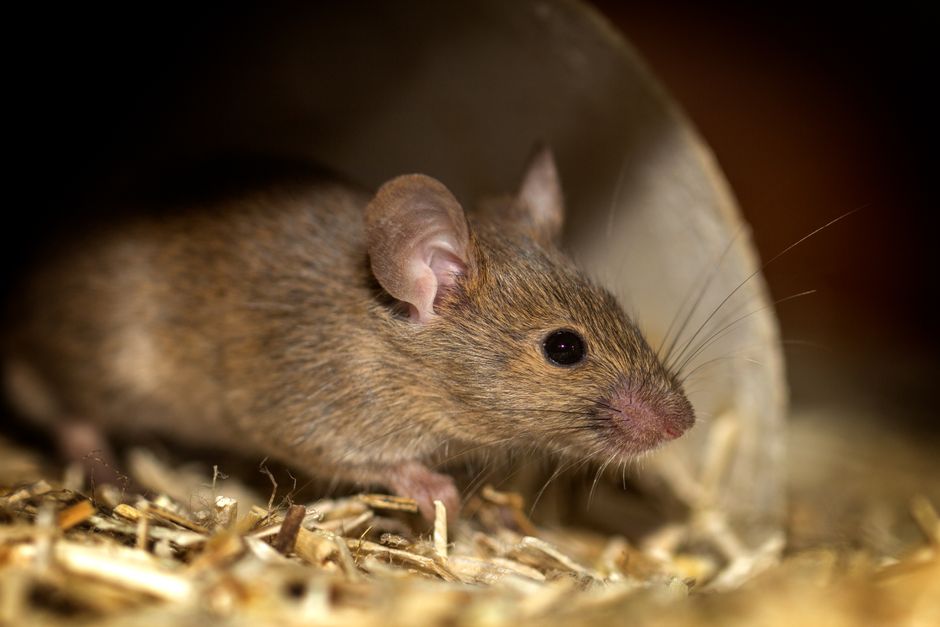
Mice get into your house for three basic reasons: they're hungry, thirsty, or looking for a safe place to nest. Understanding what attracts mice into a house is the first step to keeping them out. Once you know what they want, you can remove those attractions and seal off the entry points they use to get inside.
Food Is the Main Draw
Mice are attracted to almost any food, but they have definite favorites. They love high-fat and high-protein foods because those give them quick energy and calories they need to survive cold months.
Some of their top picks include:
- Bacon grease and cooking oil
- Butter and lard
- Chocolate
- Dried fruit and nuts
- Cereal and grain products
- Birdseed (a huge attractant in garages and sheds)
- Pet food left out overnight
- Pantry items in open or damaged bags
Mice have an incredible sense of smell. They can detect food from far away, and once they find a reliable food source inside your home, they'll keep coming back. They don't need much either—a few crumbs a day is enough to sustain a mouse and encourage it to build a nest nearby.
The problem gets worse quickly. A single pregnant female can produce five to ten litters per year, with five to six babies in each litter. That means one mouse can become dozens in a matter of months. That's why preventing entry and removing food sources early matters so much.
Water and Moisture Attract Rodents
Mice need water to survive, just like any animal. They're drawn to damp areas where they can drink regularly. Common moisture sources that attract mice include:
- Leaking pipes under sinks and in bathrooms
- Condensation around air conditioning units
- Damp basements and crawlspaces
- Water dripping from roof leaks into attics
- Standing water in gutters or downspouts
If your home has moisture problems, you're advertising to mice. A mouse can get most of its water from the food it eats, but standing water or steady moisture is an extra incentive to settle in. Fixing leaks and improving ventilation in damp areas removes one of the reasons mice decide to stay.
Clutter and Hiding Spots Make a Home Attractive
Mice aren't just looking for food and water—they want a safe place to nest and raise babies. Clutter provides perfect cover. Piles of cardboard boxes, old newspapers, fabric scraps, and insulation are ideal nesting materials and hiding spots.
Areas where mice commonly nest include:
- Basements filled with boxes and storage
- Attics with loose insulation or rafters
- Crawlspaces under the house
- Wall cavities and spaces behind appliances
- Garages with shelving and stacked items
- Sheds and outbuildings
A mouse doesn't need much room. A gap as small as a dime is enough for an adult mouse to squeeze through. Once inside, they'll look for secluded spots where they can build a nest out of sight. Cluttered spaces offer dozens of hiding options, making your home feel like paradise to a mouse.
How Mice Actually Get Inside

Mice enter through small openings in your home's exterior and foundation. Common entry points include:
- Gaps around pipes and utility lines entering the house
- Cracks in the foundation or concrete slab
- Holes in the basement wall or rim joist
- Gaps under doors or around door frames
- Openings around vents (dryer vents, exhaust fans, soffit vents)
- Damaged screens or loose window frames
- Holes in exterior walls
- Openings where tree branches touch the roof (for attic entry)
In fall and winter, mice become more aggressive about finding shelter. As outdoor temperatures drop, they're motivated to seek warmth inside. This is when most infestations start. If your home has food, water, and hiding spots waiting for them, they'll move in quickly.
Preventing Mice Before They Arrive
The most effective way to deal with mice is to prevent them from entering in the first place. This means removing what attracts them and blocking their entry routes.
Eliminate food sources: Store all pantry items in airtight, sealed containers. Don't leave pet food out overnight. Clean up crumbs and spills immediately. Seal garbage in containers with tight lids. Keep birdseed in metal cans with locking lids, not in open bags.
Fix water problems: Repair leaking pipes under sinks and in bathrooms. Improve drainage in basements and crawlspaces. Make sure gutters and downspouts direct water away from the foundation. Use a dehumidifier in damp areas if needed.
Reduce clutter: Clear out boxes and stored items from basements, attics, and garages. Organize what you keep in sealed plastic containers instead of cardboard. Remove old newspapers, magazines, and fabric scraps. The fewer hiding spots, the less attractive your home becomes.
Seal entry points: Walk around your home and look for cracks, gaps, and holes. Caulk small gaps and seal openings around pipes and utilities. For larger holes, use steel mesh or hardware cloth—mice can chew through caulk and foam, but not metal. Check foundation walls, rim joists, and areas where utilities enter the house.
If you discover an active infestation or find entry points that are difficult to reach or seal, hiring a licensed pest control professional is a practical option. They have the tools and experience to locate hidden entry points and seal them properly. The cost varies depending on the size of your home, the extent of the infestation, and your region, but a professional inspection and treatment can save you months of frustration.
Understanding what attracts mice into a house gives you the knowledge to take action. Remove the incentives, and you remove the reason they come inside.
Common questions
Yes. An adult mouse can squeeze through a hole as small as a dime (about the width of a pencil). Young mice can fit through even smaller openings. This is why sealing cracks and gaps is so important—even tiny openings are potential entry points.
Mice that are removed or eliminated from your home won't come back unless new mice find their way in. However, other mice in your area may discover the same food and shelter sources that attracted the first ones. Ongoing prevention—keeping food sealed, fixing leaks, and maintaining barriers—stops new mice from moving in.
Mice can enter your home at any time of year, but the problem typically gets worse in fall and winter. As outdoor temperatures drop, mice search harder for indoor shelter and warmth. Late September through March is peak season for infestations in most climates.
Mice are opportunistic and will eat almost anything, but they strongly prefer high-fat and high-protein foods. Nuts, seeds, bacon, chocolate, and dried fruit are top attractants. Grain products like cereal and flour are also appealing. Removing these foods makes your home less attractive than it otherwise would be.