Furnace Maintenance: What You Need to Do Each Year
Annual furnace maintenance keeps your heating system running safely and efficiently. Learn what's included, when to schedule it, and how to maintain filters.

Furnace maintenance is something most homeowners need to do once a year to keep their heating system working reliably. If you've never had your furnace serviced professionally, or you're wondering what maintenance actually involves, here's what you should know.
The goal of regular furnace maintenance is simple: catch small problems before they turn into expensive breakdowns, keep your system running at peak efficiency, and make sure your heating is safe. A professional tune-up in the fall, before heating season starts, is the standard approach. But there's also work you can do yourself between visits, like changing your air filter.
Related: AC Maintenance: What You Should Do Yourself
When to Schedule Furnace Maintenance
The best time to schedule furnace maintenance is in late September through early November, before you actually need to run your heat. If you wait until December or January and something goes wrong, you could end up needing emergency service on a holiday weekend when rates are higher and availability is tight.
Think of it like getting your car serviced before a long road trip. You want to catch any problems while the weather is still mild and contractors aren't swamped.
What's Included in Professional Furnace Maintenance
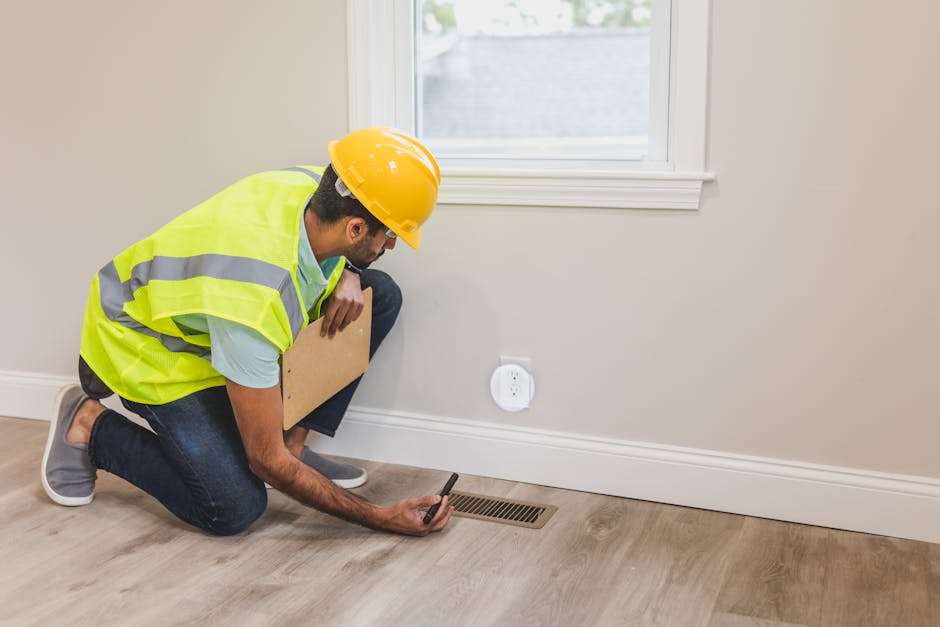
When a licensed HVAC technician comes to do a furnace tune-up, they typically perform several steps. The visit usually takes 1 to 2 hours, depending on your system and its condition.
- Visual inspection: The technician checks for obvious damage, corrosion, or safety issues.
- Cleaning: They clean the burners, heat exchanger, and blower to remove dust and debris.
- Testing: They verify that your thermostat is working properly and that temperatures are rising as they should.
- Safety checks: They look for gas leaks, carbon monoxide risks, and proper venting (this is critical).
- Filter replacement: They typically replace your air filter during the visit, though you may need to do this yourself between appointments.
A professional will also lubricate moving parts, check electrical connections, and calibrate your system if needed. If they find something wrong, they'll explain what it is and give you options for repair.
Air Filter Changes Between Furnace Maintenance Visits
You don't have to wait for a technician to change your furnace air filter. In fact, most people should inspect and replace their filter every month, or at least every few months depending on dust, pets, and allergies in your home.
A clogged filter makes your furnace work harder, reduces airflow, and can actually trigger your system to shut down. It's one of the easiest maintenance tasks you can do yourself.
Here's how to do it:
- Locate your furnace filter, usually a flat panel inside or near the furnace unit.
- Note the size printed on the filter frame (common sizes are 16x25x1, 20x25x1, or similar).
- Turn off your furnace before you remove the filter.
- Slide the old filter out and insert a new one, making sure the arrow on the filter points toward the furnace (direction matters).
- Turn your furnace back on.
When you have your professional furnace maintenance appointment, ask the technician to show you exactly where your filter is and how to change it. They can answer any questions specific to your setup.
Related: Septic Tank Maintenance: A Homeowner's Guide
Why Regular Maintenance Matters
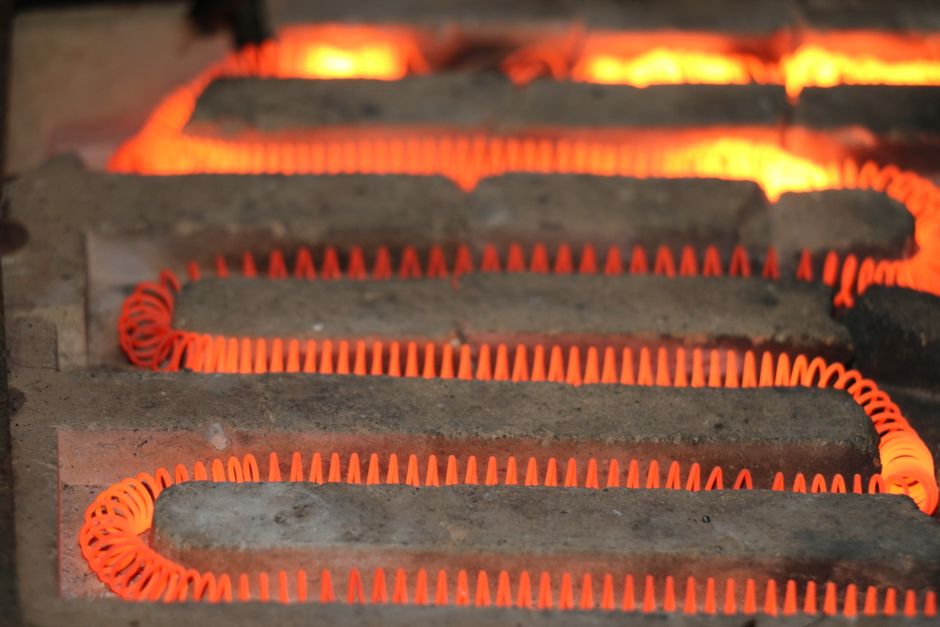
Skipping annual furnace maintenance is a gamble. Small problems, like a cracked heat exchanger or a failing sensor, can get worse without anyone noticing. By the time your furnace stops working entirely, you might be facing a replacement instead of a simple repair.
Regular maintenance also keeps your system efficient, which means lower heating bills. A furnace that's cleaned and tuned uses less fuel to produce the same amount of heat.
Plus, many furnace warranties require proof of annual professional maintenance. If you skip it and something breaks, the manufacturer might refuse to cover it under warranty.
What to Expect to Pay
The cost of professional furnace maintenance varies based on your region, the age and complexity of your system, and whether any repairs are needed. If the technician finds problems that need fixing, that's a separate cost on top of the maintenance visit.
When you call to schedule, ask what's included in the price and whether they charge extra for repairs if something is found. Some contractors bundle maintenance and a small repair into one price, while others charge separately.
Signs Your Furnace Needs Immediate Attention
You don't have to wait until fall to call a technician if you notice any of these warning signs:
Related: Signs Your Furnace Needs to Be Replaced
- Your furnace is making unusual noises (grinding, squealing, or banging).
- Your heat isn't working at all or only works intermittently.
- You smell gas or a burning odor coming from the furnace.
- Your furnace is more than 15 or 20 years old and has never been serviced.
- Your heating bills have jumped noticeably higher.
If you suspect a gas leak or carbon monoxide issue, leave your home and call emergency services. These are safety concerns that need immediate professional attention, not something to put off until your scheduled maintenance appointment.
For any other issue, contact a licensed HVAC contractor. They can diagnose the problem and let you know whether you need an emergency repair or whether it can wait for your regular maintenance visit.
Getting Professional Help

Finding a good HVAC contractor starts with asking for recommendations from friends, family, or neighbors who have had furnaces serviced. You can also search online for licensed contractors in your area and read reviews.
When you call, ask if they're licensed and insured, what their maintenance service includes, and what they charge. Don't be shy about asking questions. A good contractor will explain things clearly and answer your concerns without making you feel rushed.
Should I try to maintain my furnace myself?
You can handle the air filter changes and basic visual checks yourself. For everything else, hire a licensed professional. Furnaces involve gas lines, electrical components, and combustion safety. A mistake can be dangerous. Let a trained technician handle the inspection, cleaning, and tuning.
How often should I change my furnace filter?
Check your filter once a month. If it looks dirty or clogged, replace it. In most homes, that means changing it every 1 to 3 months during heating season. Homes with pets, allergies, or lots of dust may need to change it more often.
What happens if I skip furnace maintenance?
Your furnace will probably still work for a while, but small problems can grow into big ones. You risk unexpected breakdowns during the coldest part of winter, higher heating bills from an inefficient system, voided warranties, and eventual replacement costs. A yearly tune-up is cheap insurance against all of that.
Can furnace maintenance prevent breakdowns?
Not always, but it catches problems early. Regular maintenance reduces the chance of a breakdown and lets you fix issues on your timeline instead of dealing with an emergency when you're uncomfortable and contractors are booked solid.
Common questions
You can handle the air filter changes and basic visual checks yourself. For everything else, hire a licensed professional. Furnaces involve gas lines, electrical components, and combustion safety. A mistake can be dangerous. Let a trained technician handle the inspection, cleaning, and tuning.
Check your filter once a month. If it looks dirty or clogged, replace it. In most homes, that means changing it every 1 to 3 months during heating season. Homes with pets, allergies, or lots of dust may need to change it more often.
Your furnace will probably still work for a while, but small problems can grow into big ones. You risk unexpected breakdowns during the coldest part of winter, higher heating bills from an inefficient system, voided warranties, and eventual replacement costs. A yearly tune-up is cheap insurance against all of that.
Not always, but it catches problems early. Regular maintenance reduces the chance of a breakdown and lets you fix issues on your timeline instead of dealing with an emergency when you're uncomfortable and contractors are booked solid.