Tin Roof: What You Need to Know About Installation & Care
Learn what a tin roof is, how it's installed, how long it lasts, and what maintenance it needs. Honest breakdown for homeowners considering metal roofing.
A tin roof is a metal roofing system, typically made from steel or aluminum coated with a protective layer. Despite the name, true tin roofing is rare in modern homes—most "tin" roofs today are actually steel or aluminum panels designed to shed water and resist weather. If you're thinking about installing one or want to understand an existing tin roof on your house, here's what you actually need to know.
What Is a Tin Roof, Really?
The term "tin roof" is old and stuck around even though the material changed. Historically, thin sheets of tin were used to roof buildings because they were lightweight and durable. Today, residential tin roofs are almost always steel or aluminum instead—materials that are stronger, cheaper, and easier to work with.
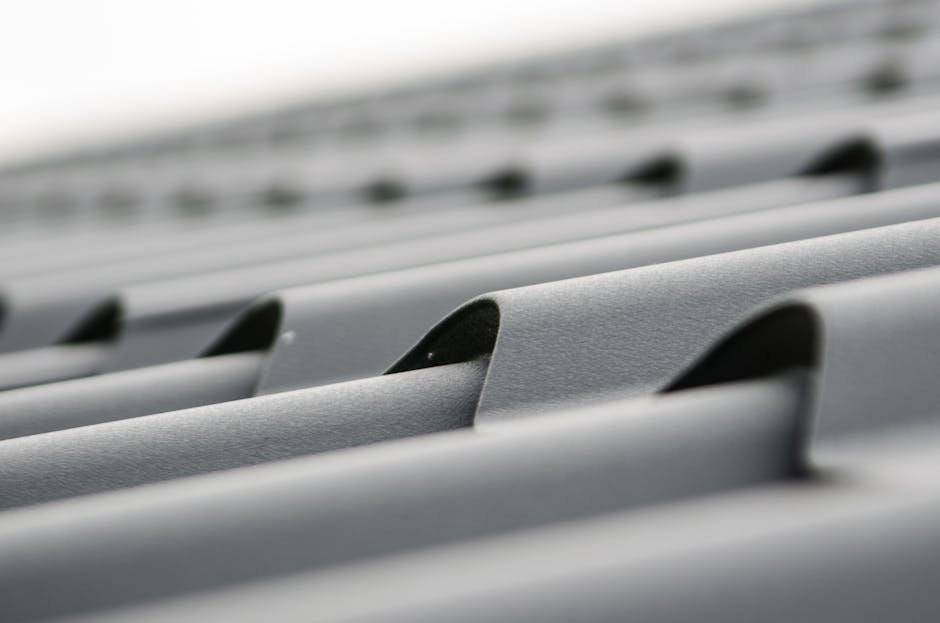
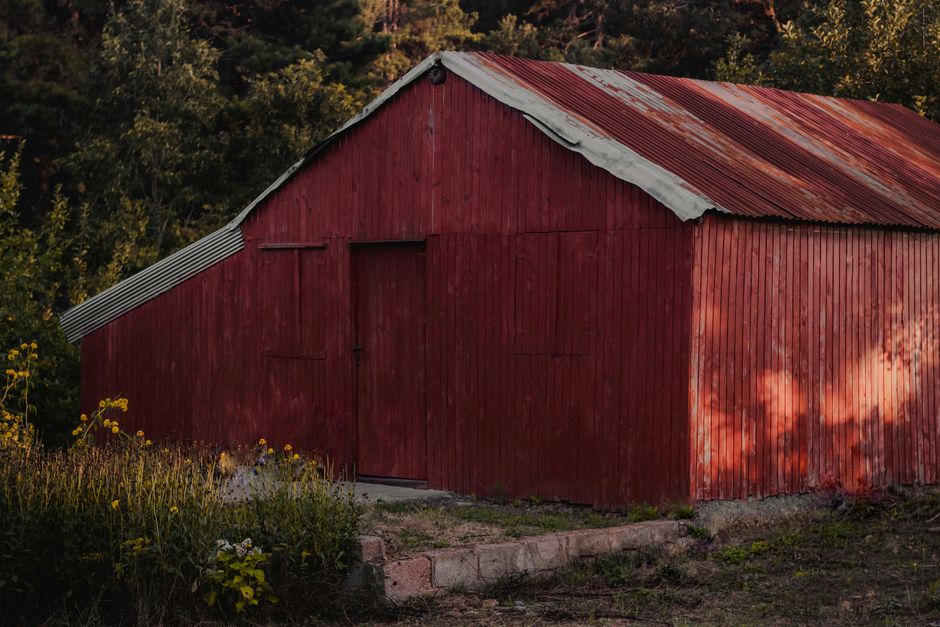
A tin roof comes in several styles. Corrugated panels have wavy ridges and are common on barns and rural buildings. Standing seam roofs have vertical ribs that lock together and are more popular on homes because they look cleaner and shed water better. Exposed fastener panels are cheaper but more prone to leaks over time because the screws or nails that hold them can work loose or rust.
Related: Heat Pump Water Heater: How It Works & What to Know
Related: Propane Heater: Types, Uses & What to Know
Related: Furnace Maintenance: What You Need to Do Each Year
The metal itself is usually coated with a layer of paint, galvanizing, or special finishes that stop rust and UV damage. This coating is what keeps the roof waterproof and extends its lifespan. If the coating gets scratched or worn away, the underlying metal can corrode.
How Long Does a Tin Roof Last?
A well-maintained tin roof typically lasts 40 to 70 years, depending on the material, climate, and coating quality. Steel roofs tend to last on the lower end of that range in humid or rainy climates, while aluminum holds up longer in coastal or salty environments. Standing seam roofs generally outperform exposed fastener designs because the fasteners aren't exposed to the weather.
Related: Signs You Need a New Roof: What Every Homeowner Should Know
The lifespan also depends on what's beneath the tin. If water gets underneath and sits against the roof deck, rot or rust can develop from the inside out, shortening the roof's life significantly. Proper ventilation and flashing around chimneys, vents, and edges are critical to keeping moisture out.
By comparison, asphalt shingle roofs typically last 15 to 25 years, so a tin roof is a long-term investment. That longevity is one reason homeowners choose metal, even though the upfront cost is higher.
Installation and What It Involves
Installing or replacing a tin roof is not a DIY project. It requires working at height, understanding proper flashing and ventilation, handling metal panels safely, and knowing how to seal seams and fasteners correctly. Any mistake—a misaligned panel, a poorly sealed seam, or fasteners driven at the wrong angle—can cause leaks that damage your home's interior for years before you notice them.
A licensed roofing contractor will remove your old roof, inspect and repair the roof deck underneath, install underlayment or an ice shield if needed, lay out and secure the metal panels, install flashing around penetrations like chimneys and vents, and seal all seams and fasteners. The job takes anywhere from a few days to a couple of weeks depending on the size and complexity of your roof.
The contractor will also need to handle any structural issues, ventilation problems, or water damage discovered during removal. This is not something to rush or hire an unlicensed person to do. A faulty metal roof installation can leak, move in wind, rust from the inside out, or develop panel separation over time.
Maintenance: What You Actually Have to Do

One reason people like tin roofs is that they need less maintenance than asphalt shingles. You don't have to replace missing shingles or patch small holes every few years. But you do need to do some regular upkeep to protect your investment.
Inspect your tin roof every year or after severe weather. Look for scratches or chips in the coating, rust spots (which appear as discoloration or flaking), loose or corroded fasteners, dented panels, and gaps in seams or flashing. Minor scratches can be touched up with roofing sealant or paint. Rust spots should be cleaned and treated early before they spread.
Keep your gutters and downspouts clean so water doesn't back up and sit against the roof edge. Debris buildup can trap moisture and accelerate rust, especially at the bottom edges of panels.
If you notice fasteners starting to loosen (common with older exposed fastener roofs), they should be re-seated or replaced. Loose fasteners let wind and water get underneath the panels, which is when serious problems start.
Have a licensed contractor inspect your roof every 5 to 10 years or if you spot visible damage. They can spot issues you might miss—things like flashing that's pulling away, sealant that's cracking, or corrosion starting under the coating. Catching these early costs less than waiting until water damage reaches your attic or walls.
Weather Resistance and Performance
A tin roof handles most weather well. Metal doesn't rot, splinter, or break down from UV exposure the way asphalt does. It sheds rain and snow quickly because of its smooth, hard surface and the slope of the panels. It won't catch fire and is lighter than tile or slate, so it doesn't put extra stress on your home's structure.
Hail can dent a metal roof, but dents don't usually cause leaks unless the dent is severe enough to crack the metal or break seals. Wind resistance depends on the installation quality and panel type—standing seam roofs with proper fastening handle high winds better than older corrugated or exposed fastener designs.
In very cold climates, ice dams can form at the eaves if your attic is too warm or if you have poor ventilation. This happens with any roof type, but metal's slickness can make ice more likely to slide off in sheets, which is a different hazard. Proper attic insulation and ventilation matter as much with a tin roof as with any other roof.
Rust and Corrosion: What to Watch For
Rust is the main enemy of any metal roof. It starts when the protective coating wears away or gets damaged, exposing the raw metal to moisture and oxygen. Scratches from branches, damage during installation, fastener corrosion, and seams that weren't sealed properly are common rust starting points.
Surface rust looks like brown or orange discoloration and is usually cosmetic if caught early. It can be cleaned with a soft brush and treated with a rust converter or roofing sealant. Structural rust—where the metal actually pits or develops holes—is more serious and may require panel replacement.
Galvanized steel, which has a zinc coating, resists rust longer than bare steel but will eventually rust if the coating fails. Aluminum doesn't rust the same way—it corrodes and forms a gray or white oxide layer that's usually just cosmetic unless you're in a coastal salt environment, where corrosion can eat through aluminum faster.
Cost Considerations

A tin roof installation costs more upfront than asphalt shingles but less than tile or slate. Exact cost depends on your roof size, the pitch and complexity of your home's roof shape, the material grade you choose, local labor rates, and whether your roof deck needs repair. Because of all these variables, it's impossible to quote a single price.
When you get estimates from licensed contractors, ask them to break down the cost of materials, labor, removal of the old roof, disposal, and any structural repairs. Compare a few bids so you understand the range in your area. The cheapest bid isn't always the best—a contractor with strong references and solid workmanship history is worth more than someone undercutting everyone else.
Should You Install a Tin Roof?
A tin roof makes sense if you plan to stay in your home long-term, want minimal roof maintenance, like the appearance of metal, or live in a climate with heavy snow, hail, or wildfire risk. It's a strong performer in harsh weather and will likely outlast the rest of your home's systems.
It's less ideal if you're in a humid, salty, or industrial environment where corrosion is hard to control, or if you're selling soon and want the lowest upfront cost. It's also a bigger job to repair if a panel gets damaged—you can't just patch one shingle. You may need to replace an entire panel or a section, which costs more than a quick shingle repair.
If you're seriously considering switching to a metal roof, hire a licensed roofing contractor to inspect your current roof and roof deck, and to give you a detailed estimate. They can tell you whether your home is a good candidate, what you should expect, and what the realistic costs are in your area. This is the kind of major home decision that benefits from professional input before you commit.
Common questions
You can walk on a tin roof, but it's slippery, especially when wet, and you risk denting panels or damaging the protective coating. If you need to access your roof for cleaning, inspection, or maintenance, hire a licensed contractor with the right equipment and insurance. DIY roof work is dangerous and can void your warranty.
No, you can use standard gutters. However, metal gutters often pair better with metal roofs aesthetically and from a maintenance standpoint—they expand and contract at similar rates, reducing the chance of gaps forming over time. Gutter size depends on your roof's drainage volume and local rainfall, not the roof material.
Minor dents are usually just cosmetic and don't affect the roof's function. If a dent is deep enough to damage the coating or create a crease, it can trap moisture and should be repaired or the panel replaced. This is a job for a roofing contractor, not a DIY fix.
Metal roofs are louder than asphalt or tile when rain or hail hits, but the noise level depends on insulation underneath. If your attic is properly insulated and ventilated, the sound is muffled and often not noticeable inside. Older uninsulated metal roofs, especially corrugated ones on barns, are much louder. Most modern metal residential roofs have adequate underlayment to dampen noise.