When to Fertilize Your Lawn: Spring, Summer & Fall Schedule
Learn the best times to fertilize your lawn in spring, summer, and fall. Understand soil temperature, frequency, and how to time applications for thick, healthy grass.

The best time to fertilize your lawn depends on your grass type and growing season, but the general rule is to feed your lawn about four times per year, with the heaviest applications in late summer and early fall. If you're starting fresh or your lawn looks thin and weak, late summer and early fall become your priority window because that's when root development matters most.
Getting the timing right makes a huge difference. Fertilize too early or too late, and you're wasting money and effort. Miss the sweet spot, and your grass stays thin or stressed. Here's what you need to know to keep your lawn fed on schedule.
Early Spring: The First Feeding
Spring fertilization happens once, early in the season. Wait until your grass actually starts to green up and grow actively. This usually falls somewhere between late February and April, depending on where you live and how cold your winter was.
Soil temperature is the key trigger. Soil needs to reach about 55 to 60 degrees Fahrenheit before cool-season grasses (the most common type in northern and central states) start actively growing. If you fertilize too early when soil is still frozen or nearly frozen, the nutrients wash away or sit unused in cold soil.
A simple way to know you're ready: look at your lawn. If it's still mostly brown or dormant, wait. Once you see green shoots and new growth, that's your signal to apply your first dose of the year.
Late Spring or Early Summer: The Second Application
After your early spring feeding, most lawns benefit from a second application about six to eight weeks later. This usually happens in late May or early June, depending on your region. By this point, your lawn is in full growth mode.
At this stage, you're feeding the leafy part of the plant to keep it thick and green through the summer heat. But don't overdo it. Over-fertilizing in late spring can make your lawn too soft and lush, which actually stresses it during hot weather and makes it more prone to disease.
Think of it as balance: enough to keep the grass healthy and attractive, but not so much that you're forcing rapid growth that the plant can't handle.
Late Summer and Early Fall: The Critical Window
This is where lawn care gets interesting. Many homeowners skip late summer and early fall feeding, but this is actually the most important time of year to fertilize. This is when you shift your focus from leaf growth to root development.
In late August through early October, your grass is preparing for winter. Roots are the foundation of a healthy lawn, and feeding now builds deep, strong roots that can handle stress better. A lawn with good root depth is more drought-resistant, more disease-resistant, and greens up faster in spring.
If your lawn looks sparse or thin, make late summer and early fall your priority. Two applications during this window (roughly six weeks apart) will thicken up your turf way better than anything you do in spring.
Late Fall: The Final Application

One last fertilizer application in late fall (November, depending on your climate) sends carbohydrates down into the roots as the grass goes dormant. This is sometimes called "winterizer" fertilizer because it prepares the plant for cold months and helps it wake up strong in spring.
By late fall, soil temperature is dropping again. Your grass has mostly stopped growing above ground, but root activity continues as long as soil isn't frozen solid.
How Soil Temperature Controls Timing
You'll notice soil temperature comes up a lot. That's because it's the real boss of when your grass can actually use fertilizer. Nutrients don't work magic when the plant is dormant or stressed.
Cool-season grasses (fescue, bluegrass, ryegrass) grow most actively when soil is between 50 and 65 degrees Fahrenheit. Warm-season grasses (Bermuda, zoysia, St. Augustine) prefer soil between 70 and 80 degrees.
If you live in a warm climate where you have warm-season grass, your fertilization schedule shifts. You're typically fertilizing in late spring, mid-summer, and early fall, skipping the early spring application that northern lawns need.
Not sure what kind of grass you have or what zone you live in? A soil test from your local university extension office will tell you exactly what your lawn needs and when. This is worth doing, especially if your lawn struggles.
Avoid Over-Fertilizing and Under-Fertilizing
The sweet spot is not the maximum amount. You're aiming for "just right." Too much fertilizer burns grass, promotes weeds, and wastes money. Too little, and you won't see results.
Related: How to Get Rid of Weeds in Your Lawn: 5 Methods That Work
Follow the label on your fertilizer bag. It will tell you how much to apply per thousand square feet. Measure your lawn or estimate the size. Be honest about it.
One practical tip: fertilize when the grass is dry, then water lightly afterward. This helps the grass absorb nutrients without washing them away. Never fertilize right before heavy rain.
Why Root Development Matters More Than You Think
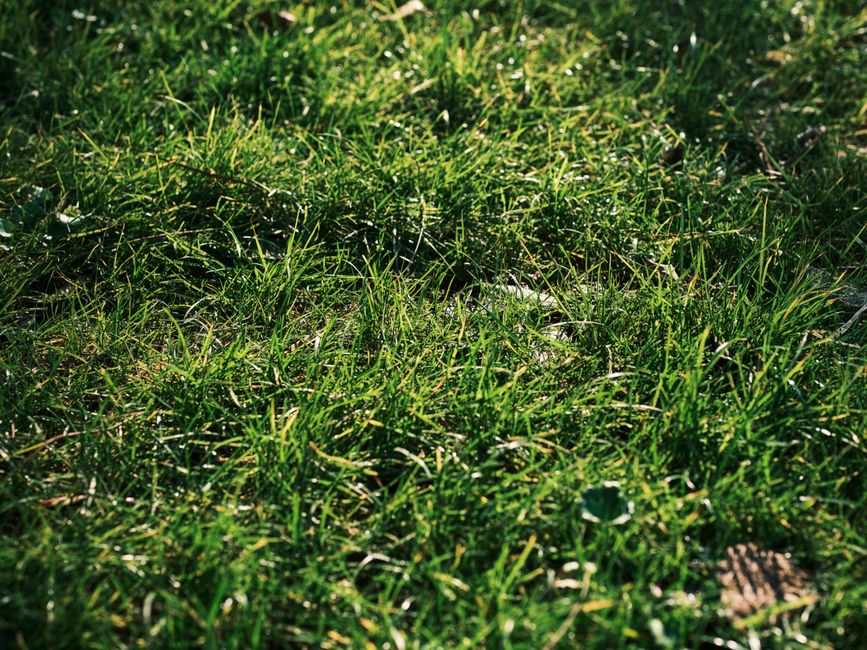
Most homeowners obsess over leaf color and thickness. That's understandable because it's what you see. But a healthy lawn starts underground.
Roots absorb water and nutrients. Deeper roots mean your lawn can survive dry spells, heat stress, and foot traffic better. A lawn with weak or shallow roots looks good in spring but falls apart in summer.
Late summer and early fall fertilization builds those deep roots because the plant isn't wasting energy on rapid leaf growth. Instead, energy goes down into the root system. This is why lawns that get regular fall feedings outperform lawns that only get spring fertilizer.
If you're starting with a thin lawn, don't expect it to fill in overnight. But consistent fall and late-summer fertilization over two to three years will noticeably thicken it up.
Regional Differences Matter
Your climate zone determines your exact timing. Northern states with cool-season grass have a different schedule than southern states with warm-season grass. Even within regions, timing can shift by two to four weeks depending on how cold or warm a particular year is.
The safest approach is to base timing on soil temperature or on when you actually see growth, not on a calendar date. Your local extension office publishes recommended fertilization schedules for your area. It's free information and worth looking up.
Common questions
About four times per year is the standard recommendation for most homeowners. That breaks down to one early spring application, one in late spring or early summer, one in late summer, and one in late fall. If your lawn is healthy and established, you might get by with three applications, but four gives the best results for thick, resilient turf.
You can, but be cautious. Summer fertilization pushes leafy growth when the grass is already stressed by heat. This actually weakens the plant. If you do fertilize in summer, use a lighter application and wait until late summer (August) when temperatures start to drop. Heavy feeding in peak summer heat is generally a mistake.
If you fertilize when soil is still cold and grass is dormant, the nutrients won't be absorbed. They'll either wash away or sit in the soil unused. Worse, early fertilization can encourage weeds to grow before your grass is strong enough to compete. Wait until you see active green growth and soil has warmed up.
For building a thick, healthy lawn long-term, yes. Fall and late summer fertilization builds the root system that sustains your grass through stress. Spring fertilization is still important for early-season growth, but if you have to choose where to focus effort and budget, late summer and fall deliver better results. A strong root system built in fall pays dividends for months.