Water Hose: Types, Sizes, and How to Choose the Right One
Learn about water hose sizes, materials, and styles. Find out which type works best for your lawn, garden, and outdoor watering needs.

A water hose is one of those tools you grab without thinking much about it, until the one you have kinks, cracks, or just doesn't reach where you need it. Choosing the right hose for your yard makes watering easier, saves frustration, and actually lasts longer. Here's what you need to know to pick one that fits your space and your style of use.
What Size Water Hose Do You Need?
The most common water hose diameter is 3/4 inch. This is the standard for most household faucets and delivers a solid flow of water without being unwieldy to handle.
Related: Water Tank: Types, Sizes & How to Choose One
Related: What Is a Water Pump? Types, Uses & How They Work
Related: Portable Heater Guide: Types, Safety & How to Choose
Length matters just as much as diameter. Hose lengths typically range from 25 feet up to 150 feet. Think about the farthest point in your yard from where your outdoor faucet sits. A 50-foot hose works fine for most suburban yards. If you have a large property or need to reach a back corner, 75 feet or 100 feet might make sense. Going longer than you actually need just means more hose to drag around and store.
The trade-off is simple: longer hoses are heavier and harder to manage, but they reduce the need for multiple faucets or extension setups.
Different Types of Water Hoses
Not all hoses are the same. Understanding the main styles helps you pick the one that suits your actual watering tasks.
Standard garden hoses are the workhorse. They're flexible, affordable, and work for general watering of lawns and gardens. Most come with reinforced layers to resist bursting and cracking.
Soaker hoses are porous along their length and drip water slowly along the ground. They're ideal if you water garden beds or vegetable plots and want to reduce water waste. They don't spray, so they're not useful for rinsing driveways or filling pools.
Coiled hoses expand when pressurized and contract when empty. They take up far less storage space than a standard hose, which is a real plus if you have limited room in a shed or garage. The downside is they don't always expand fully and can be slower to handle during setup.
Flat hoses fold down into a compact shape and are lightweight and portable. They're great for people who want something easy to carry or store. They're typically shorter and not ideal for heavy-duty daily watering.
Kink-resistant hoses use internal construction or reinforced materials to prevent twisting and tangling. If you've ever had a hose twist on itself mid-watering, you know how annoying this is. Kink-resistant models cost a bit more but save time and headaches.
Materials and Durability
The quality of a water hose comes down to what it's made of and how many layers it has. Most quality hoses feature a triple-layer latex core or rubber core surrounded by reinforcement mesh or fabric. This construction helps resist punctures, kinks, and bursts from pressure or UV exposure.
Look for hoses labeled as burst-resistant. These are engineered to handle typical residential water pressure without failing. A good hose should also be flexible enough to coil easily but sturdy enough not to crack in cold weather or after prolonged sun exposure.
Lightweight hoses are easier to drag around and store when you're done, but they sometimes sacrifice durability. Heavier-duty hoses last longer but are more work to maneuver, especially if you're older or have limited strength.
Nozzles and Spray Options

Your water hose is only as useful as the nozzle at the end. A basic nozzle gives you an on-off valve. A multi-function nozzle (sometimes with 8 different spray patterns) lets you switch between a mist for seedlings, a gentle rain for flowers, a concentrated stream for rinsing, and more. These are inexpensive and make a real difference in how you use your hose.
If you're doing a lot of repetitive watering, a spray nozzle with a trigger grip lets you control flow without walking back to the faucet. Some people add a second-stage filter or pressure regulator to protect plants from overly strong spray, though this is typically only needed in systems with unusually high water pressure.
Expandable vs. Non-Expandable Hoses
Expandable hoses (sometimes called expanding hoses) shrink down to a fraction of their extended length when the water is turned off. This makes storage much easier in tight spaces. Non-expandable hoses hold their full length at all times.
Expandable hoses are convenient, but they can have drawbacks. They may not expand fully if water pressure is low, they can be slower to fill or spray, and over time the expanding mechanism can wear out. Non-expandable hoses are more reliable for consistent flow and easier to predict in terms of length and performance.
Choose based on your storage situation and how often you use your hose. If cabinet space is at a premium, expandable makes sense. If you use your hose regularly and value reliability, stick with a traditional non-expandable hose.
Storage and Maintenance Tips
Where and how you store your hose affects how long it lasts. A hose left coiled in the sun all year will crack and become brittle. Store it in a shaded location, like inside a shed or garage, or wrap it loosely around a wall-mounted hose reel.
Before storing for winter or long periods, drain the hose completely so standing water doesn't freeze inside and cause damage. If you live in a cold climate, bring your hose inside or store it in a heated space during the off-season.
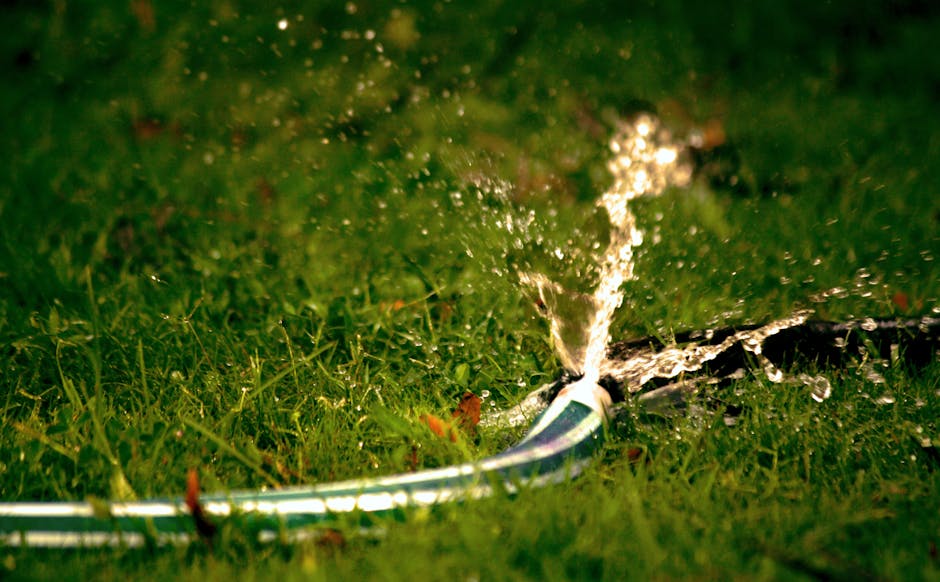
Check the hose regularly for cracks, punctures, or soft spots. Small leaks usually aren't worth patching (repair kits exist but the fix is temporary). When the hose starts failing, replacement is cheaper and easier than constant repairs.
Cost Expectations
A basic 50-foot garden hose typically costs between $20 and $50, depending on materials and durability rating. Longer hoses, heavy-duty models, and specialty types like soaker or flat hoses may run $40 to $100 or more. A quality multi-function nozzle adds another $10 to $25.
These prices vary by region and can change based on where you shop. A well-made hose that lasts several years is usually a better value than buying the cheapest option and replacing it annually.
When to Hire a Professional
Choosing and installing a water hose is a straightforward DIY task. If you're dealing with outdoor faucet repair, replacing buried irrigation lines, or installing a new spigot, that falls into plumbing work where you should hire a licensed professional. For general hose selection and outdoor watering setup, you're in control.
What's the difference between a garden hose and a soaker hose?
A garden hose delivers water through a nozzle and is designed for general spraying and watering. A soaker hose is porous and drips water slowly along its entire length, making it ideal for ground-level watering of garden beds or rows. Soaker hoses waste less water but can't be used for tasks like rinsing or filling containers.
Can I use a water hose indoors?
Standard garden hoses are not designed or safe for indoor use. They're treated for outdoor conditions and UV exposure, and the materials aren't food-grade. For indoor water needs, use hoses labeled for indoor or potable water use, or simply use your sink's existing water line.
How do I fix a leaking hose?
Small leaks near the connector end can sometimes be tightened. If the leak is in the body of the hose, you can patch it temporarily with a repair clamp or patch kit (available inexpensively at hardware stores), but these fixes are short-term. A hose that leaks significantly is usually time to replace.
How long does a water hose last?
A quality hose stored properly and used moderately can last 3 to 5 years or more. Hoses left out in the sun year-round, exposed to extreme cold, or used heavily may fail sooner. Storage, climate, and how well you maintain it all affect lifespan.
Common questions
A garden hose delivers water through a nozzle and is designed for general spraying and watering. A soaker hose is porous and drips water slowly along its entire length, making it ideal for ground-level watering of garden beds or rows. Soaker hoses waste less water but can't be used for tasks like rinsing or filling containers.
Standard garden hoses are not designed or safe for indoor use. They're treated for outdoor conditions and UV exposure, and the materials aren't food-grade. For indoor water needs, use hoses labeled for indoor or potable water use, or simply use your sink's existing water line.
Small leaks near the connector end can sometimes be tightened. If the leak is in the body of the hose, you can patch it temporarily with a repair clamp or patch kit (available inexpensively at hardware stores), but these fixes are short-term. A hose that leaks significantly is usually time to replace. For more guidance on outdoor maintenance decisions, The Home Answer Book offers practical resource articles on common home tasks.
A quality hose stored properly and used moderately can last 3 to 5 years or more. Hoses left out in the sun year-round, exposed to extreme cold, or used heavily may fail sooner. Storage, climate, and how well you maintain it all affect lifespan.


