Portable Heater Guide: Types, Safety & How to Choose
Learn how portable heaters work, what safety features matter, and how to pick the right one for your space. Honest breakdown for homeowners.
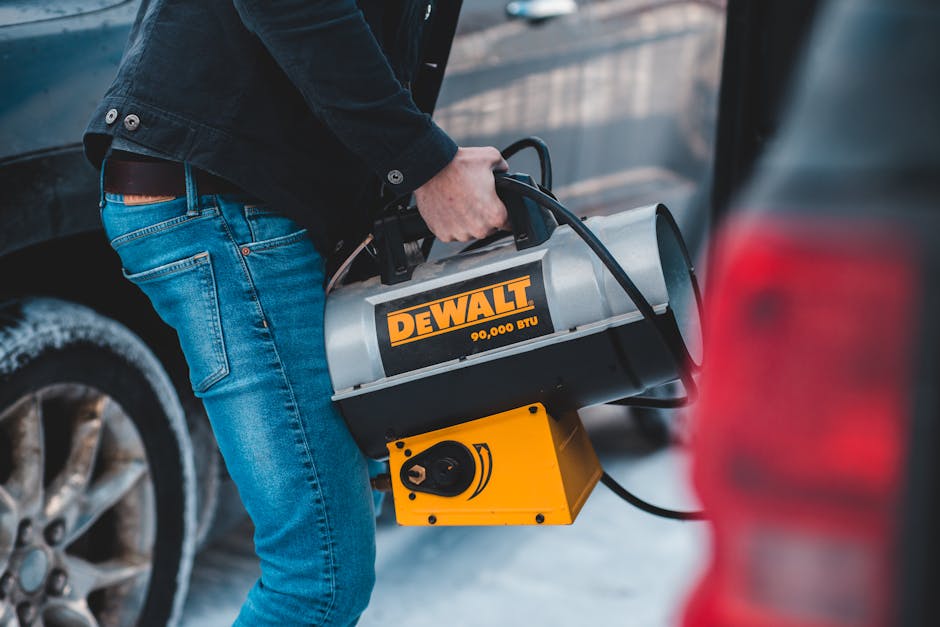
A portable heater can warm a single room without running your whole-house system, which saves energy and money on your heating bill. But before you buy one, you need to understand how they work, what safety features actually matter, and whether a portable heater is the right choice for your situation.
Here's what you need to know.
How Portable Heaters Work
Most portable heaters use one of two main technologies: ceramic or infrared.
Ceramic heaters heat up fast. They contain a ceramic element that warms quickly when electricity flows through it, and a fan pushes the warm air into your room. You get heat almost instantly, which is why people like them for quick temperature boosts.
Infrared heaters work differently. They emit infrared radiation that warms objects and people directly, similar to how sunlight warms your skin. They don't rely as much on a fan, so they tend to be quieter and work well in spaces where you want targeted warmth without air movement.
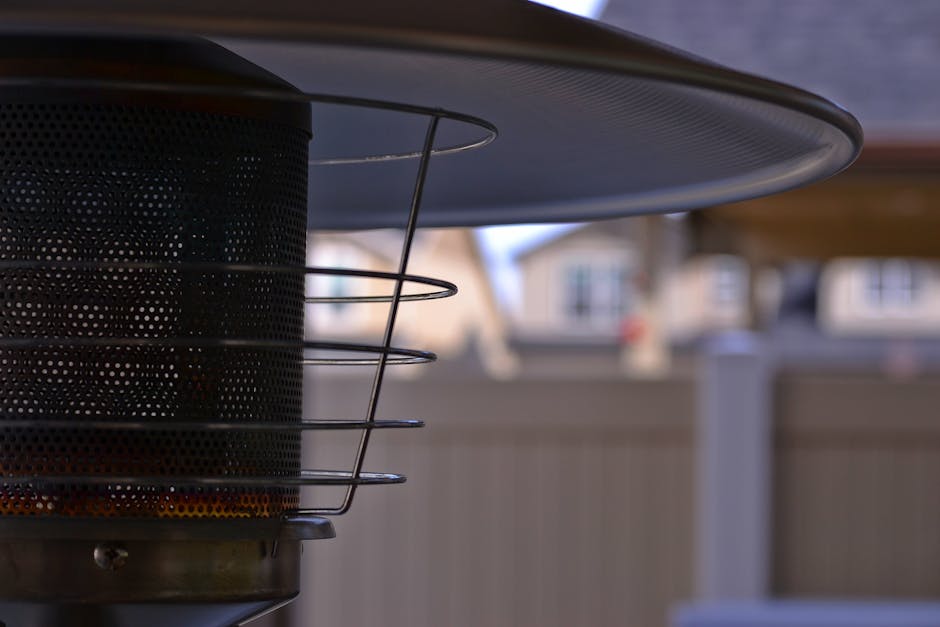
Both types are available for indoor use. Some models are designed for outdoor spaces like patios or garages, though those typically need to be positioned carefully for safety.
Related: Space Heater: Types, Safety & How to Choose One
Related: Water Hose: Types, Sizes, and How to Choose the Right One
Related: Water Tank: Types, Sizes & How to Choose One
Power Output and Room Size
Most standard portable heaters use 1500 watts of power. That's a good baseline for small to medium rooms.
The bigger your space, the harder a portable heater has to work. A 1500-watt model will heat a small bedroom or office efficiently, but a large living room or basement will take longer to warm up, and the heater may run constantly without reaching your target temperature.
Some larger-capacity units can handle spaces up to 3,700 square feet, though these tend to use more electricity and cost more to operate. Before buying, measure the room you want to heat and check the heater's rated coverage area.
Safety Features You Should Prioritize
Safety should be your number one concern when shopping for a portable heater. Look for these features:
- Tip-over protection: The heater automatically shuts off if it tips over. This prevents it from starting a fire if knocked down by a pet, child, or accident.
- Overheat protection: If the heater gets too hot internally, it cuts off automatically. This stops it from becoming a fire hazard.
- Thermostat control: A built-in thermostat lets you set a target temperature. Once the room reaches that temp, the heater cycles on and off rather than running nonstop. This saves energy and prevents overheating.
- Cool-touch housing: The outer casing stays cool to the touch even when the heater is running, reducing burn risk.
- Independent safety testing: Look for heaters that have been tested by a third-party safety organization. This gives you confidence the unit actually meets safety standards.
Never buy a heater without tip-over and overheat protection. These are basic, non-negotiable safety features.
Choosing the Right Style for Your Space

Portable heaters come in different designs, and the best one depends on how you plan to use it and where you'll place it.
Tower heaters are tall and narrow, taking up less floor space. They work well in tight corners or beside furniture, and many have oscillating fans that distribute heat across a wider area.
Box-style heaters are compact and low to the ground. They're easy to move from room to room and fit under desks or behind couches.
Wall-mounted heaters don't take up any floor space at all. If you have a permanent spot in mind and don't need to move the heater often, a wall-mounted option can be elegant and practical.
Cordless or battery-powered models offer extra flexibility. You can move them anywhere without hunting for an outlet. Keep in mind that battery life varies, and you'll need to recharge them regularly.
Think about your lifestyle. If you move between rooms, a lightweight tower or box model works best. If you have a dedicated home office or bedroom, a wall-mounted or stationary heater might be smarter.
Installation and Placement
Most portable heaters just plug into a standard outlet. There's no installation required.
But placement matters for safety and performance:
- Keep the heater at least 3 feet away from flammable materials like curtains, blankets, furniture, and paper.
- Don't run the cord under carpets or rugs. This creates a tripping hazard and can overheat the cord.
- Place the heater on a level, hard surface. Avoid carpet or soft flooring, which can block airflow and cause overheating.
- Never leave a portable heater unattended while it's running, especially around children or pets.
- Unplug the heater when you leave the room or when you're done using it for the day.
If you're considering a heater for a garage, workshop, or outdoor space, check whether your model is rated for that use. Indoor heaters aren't always safe outside, especially in damp conditions.
Operating Costs
A 1500-watt heater uses a lot of electricity when it's running. If you're heating just one room instead of your whole house, you may save money overall, but the heater itself isn't cheap to operate.
The actual cost depends on your local electricity rates, how often you use the heater, and how long each heating session lasts. In general, expect your electricity bill to increase noticeably if you run a portable heater daily during winter. That said, heating one room is typically cheaper than heating an entire home, so a portable heater can still make financial sense if you close off unused spaces and focus your heat where you actually spend time.
If you're unsure whether a portable heater is right for your budget, consider talking to a heating professional who can discuss your options.
When Not to Use a Portable Heater
A portable heater is great for spot heating, but it's not a replacement for a broken central heating system. If your furnace or heat pump has failed, you need to repair or replace it. Living with only a portable heater is uncomfortable, costly, and risky, especially in very cold climates.
Portable heaters also aren't ideal for:
- Heating a large home or multiple rooms simultaneously
- Spaces with poor insulation or single-pane windows
- Areas where you need consistent, unattended heating overnight
- Homes with young children or pets you can't supervise
For any of these situations, it's time to call a licensed HVAC contractor to discuss your heating options. They can assess your home's needs and recommend a proper solution.
Maintenance and Care
Portable heaters need minimal maintenance, but a little care goes a long way.
- Clean the intake and outlet vents regularly. Dust buildup reduces efficiency and can trigger overheat protection.
- Check the power cord for damage before each use. Don't use a heater with a frayed or cracked cord.
- Store the heater in a clean, dry place when you're not using it for extended periods.
- Never pour water on a heater, and keep it away from moisture and humidity.
If your heater stops working or smells unusual during operation, unplug it immediately and don't use it again. It's not worth the risk.
Related: Water Heater Replacement: When & How to Do It
Portable Heaters vs. Other Heating Options
Before committing to a portable heater, consider how it stacks up against alternatives.
Space heaters: These are the same as portable heaters. The terms are used interchangeably.
Ceiling fans with heating: Some ceiling fans have built-in heat settings. They're quieter and more permanent than portable heaters, but they cost more to install and aren't as easy to move around.
Programmable thermostats: If your home has central heating, upgrading to a smart thermostat lets you heat only the rooms you use and lower temperatures when you're away. This can save money without the cost or hassle of a portable heater.
Ductless mini-split systems: These are efficient, quiet heating and cooling systems that heat specific zones. They cost more upfront but save money long-term if you need zone heating. A heating contractor can explain whether this makes sense for your home.
Buying Tips
When you're ready to shop, keep these tips in mind:
- Match the heater's capacity to your room size. A 1500-watt model works for small rooms; larger spaces need bigger units.
- Prioritize safety certifications and built-in protection features over extra bells and whistles.
- Read reviews carefully, focusing on real-world performance and reliability rather than marketing claims.
- Compare the warranty. A longer warranty can protect you if the heater fails early.
- Buy from a retailer with a good return policy in case the heater doesn't work well in your space.
Don't assume an expensive heater is better than a cheaper one. Price doesn't always reflect safety or performance. Focus on the features that matter: thermostat control, overheat and tip-over protection, and realistic heating capacity for your room.
Common questions
It depends on the heater and the situation. Most modern portable heaters have automatic shutoff features that make overnight use safer than older models. However, you should never leave any heater unattended if there's a risk of it being knocked over, blocked by bedding, or placed too close to flammable materials. If you need to heat while sleeping, a heater with solid overheat protection and tip-over shutoff is essential. Better yet, fix your central heating system so you don't have to rely on a portable heater at night.
Moisture is the enemy of electrical heaters. Most portable heaters aren't rated for bathrooms because the humidity can damage the heating element and create a shock hazard. If you want extra heat in your bathroom, look for a heater specifically designed for damp environments. Even then, use it carefully and unplug it when you're not in the room. Better yet, improve your bathroom ventilation with a properly installed exhaust fan.
Yes. A 1500-watt heater is one of the biggest energy consumers in a typical home. Running it constantly will noticeably increase your electric bill. To save money, use the heater only in the rooms you occupy, set the thermostat to a reasonable temperature (around 68-70 degrees), and turn it off when you leave the room. Closing off unused spaces and heating only where you spend time usually saves money compared to heating your whole house, but it's not free.
Ceramic heaters heat up quickly and use a fan to distribute warm air throughout the room. Infrared heaters emit heat that warms objects directly, like sunlight, and don't rely on fans, so they're quieter. Ceramic heaters are better for fast, even room heating. Infrared heaters are good for targeted warmth and quieter operation. Both can be safe if they have proper built-in protection features. Choose based on your preference for fan noise and how you want the heat distributed.