How to Get Rid of Fruit Flies: The Apple Cider Vinegar Trap
Get rid of fruit flies fast with a simple apple cider vinegar and dish soap trap. Works in hours. Here's exactly how to make and use it.
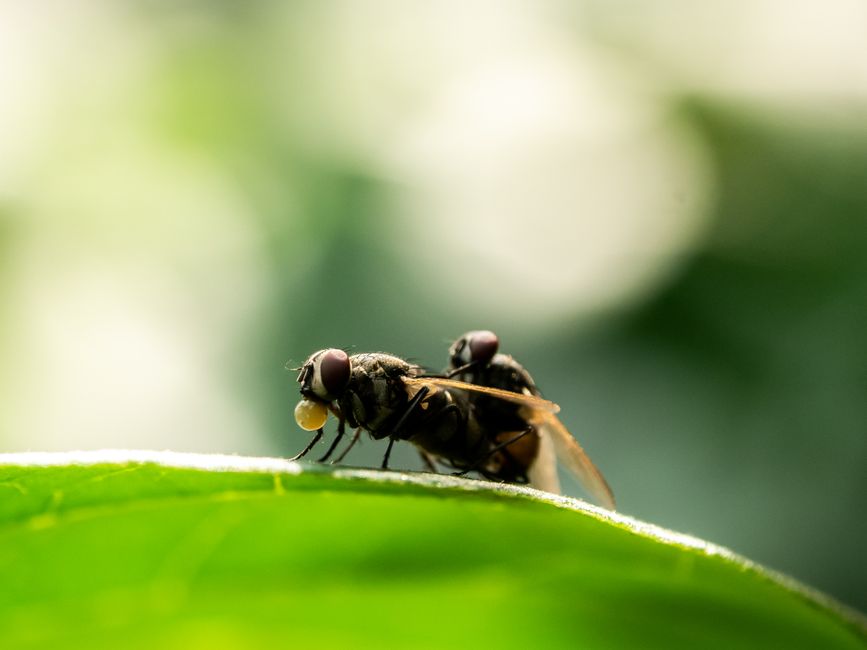
Fruit flies are small, fast-breeding pests that show up suddenly in your kitchen and seem impossible to kill. The good news: you can get rid of fruit flies quickly using a trap made from two things you already have at home. The most effective method combines apple cider vinegar with dish soap to attract and drown the flies before they multiply.
The Apple Cider Vinegar Trap: How It Works
The reason this trap works so well is simple biology. Fruit flies are attracted to the smell of fermenting fruit and vinegar. When you add dish soap to the mix, it breaks the surface tension of the liquid, so the flies can't land safely and just sink.
You don't need any special equipment or pesticides. You're using a basic household science principle to outsmart them.
How to Make the Trap
Here's what you need:
- Apple cider vinegar (about 1/4 cup)
- A small jar, bowl, or dish
- Liquid dish soap (just a few drops)
Mix the apple cider vinegar with a few drops of dish soap in your jar or bowl. That's it. You don't need to add water, sugar, or anything else, though some people find that mixing in a tablespoon of sugar and a small amount of warm water makes the trap even more attractive to flies.
The key is using actual apple cider vinegar, not white vinegar. Fruit flies have a strong preference for apple cider vinegar because of its fermenting scent.
Where to Place Your Traps
Put the trap where you see the most fruit fly activity. Usually that's near your fruit bowl, kitchen trash can, or sink drain. Fruit flies congregate around food sources and places where fruit or organic matter breaks down.
Don't just use one trap. Set up two or three around your kitchen for better coverage. Fruit flies can be everywhere at once, so multiple traps catch more of them faster.
Leave the trap uncovered. The flies need to be able to access the vinegar mixture easily.
How Fast Does It Work?

You'll see results within a few hours. The trap will start catching flies almost immediately if they're present in your kitchen. Within a day or two, you should see a significant drop in the fruit fly population.
Keep the trap out for at least a week, even after you stop seeing flies. This catches any stragglers and newly hatched flies before they become a problem again.
Stop Them From Coming Back: Prevention
Traps handle the flies you already have, but you also need to eliminate what's attracting them in the first place. Fruit flies breed in organic matter, so your prevention strategy focuses on removing their food sources and breeding grounds.
Clean your drains regularly. Your kitchen sink drain is a perfect breeding ground for fruit flies. Pour boiling water down the drain, and consider cleaning it with a drain brush or cleaning solution designed for this purpose. Do this at least once a week.
Don't leave fruit out. Keep ripe fruit in the refrigerator instead of on the counter. If you do leave fruit out, use it quickly and throw away any that starts to spoil.
Take out the trash. Fruit flies breed in garbage, especially in areas with food residue. Take out your trash regularly, and don't let it pile up.
Clean your garbage disposal. Run it regularly and make sure there's no buildup of organic material inside. Decomposing food in the disposal is a prime fruit fly breeding zone.
Wipe down surfaces. Spilled juice, overripe fruit fragments, or sticky spots are all attractants. Wipe down your counters and stovetop regularly.
Check your produce. Sometimes fruit flies come with the fruit you bring home from the store. Inspect new fruit before putting it away, and throw away anything that looks damaged or is already starting to ferment.
Why Not Use Pesticides?
You don't need them. The vinegar trap is faster, safer, and actually more effective than spraying chemicals around your kitchen. Pesticides linger on surfaces and can contaminate food prep areas. The trap works because it targets the flies' actual behavior and weaknesses, not because of poison.
Other Traps That Work
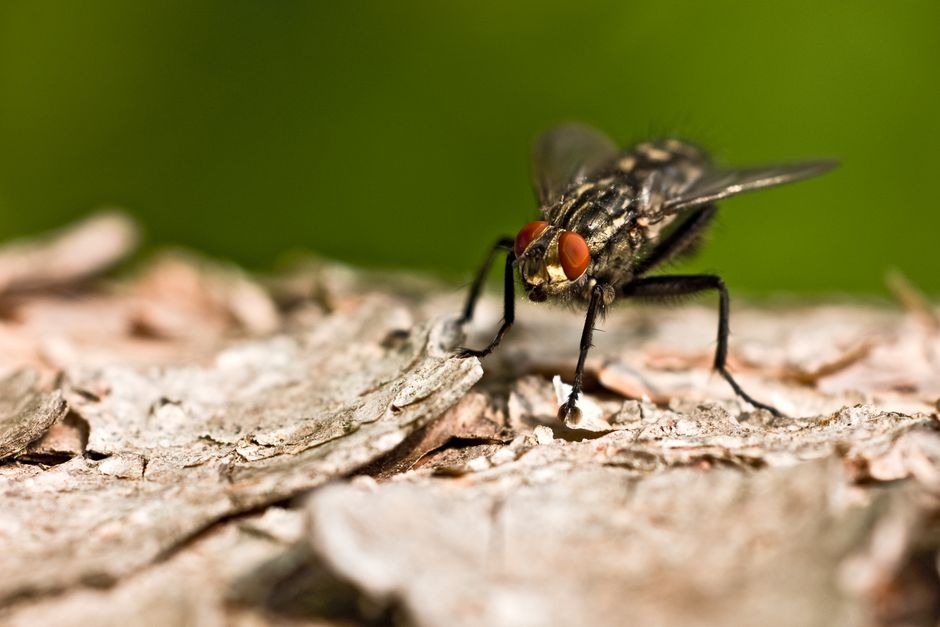
The apple cider vinegar and dish soap method is the most reliable, but there are a couple of other approaches that also work:
Red wine trap. If you have red wine on hand, you can use it the same way as apple cider vinegar. Red wine also ferments and attracts fruit flies. Add dish soap and leave it out in a shallow dish.
Overripe fruit trap. Some people place a piece of very ripe, soft fruit (like banana or overripe apple) in a jar with a little water and a drop of dish soap. Cover the jar with plastic wrap, poke a few small holes in the top, and leave it out. Flies crawl in through the holes but have trouble getting back out.
Neither of these is as reliable as the apple cider vinegar method, but they work in a pinch if that's all you have available.
When to Call a Professional
In almost every case, the vinegar trap solves your fruit fly problem within a week. However, if you've set up multiple traps, kept them out for two weeks, cleaned your drains, removed all attractants, and you're still seeing fruit flies, there might be a bigger issue.
A recurring fruit fly problem sometimes signals a hidden source: a rotting drain pipe, a cracked seal around a pipe, or fruit or food stuck deep in your disposal. If the problem persists after you've tried these methods, a licensed pest control professional can identify the source and help you fix it. They can also inspect your kitchen for entry points and structural issues that might be making your home attractive to pests.
The Bottom Line
Fruit flies are annoying but solvable. Mix apple cider vinegar with dish soap, set out your trap, and you'll see a dramatic drop in flies within hours. Pair that with basic kitchen hygiene, and you'll keep them from coming back. It's one of the fastest, cheapest, and most effective fixes you can do in your home, and it requires nothing but things you already have.
Why do fruit flies appear so suddenly?
Fruit flies can lay eggs in overripe fruit, food scraps, or organic buildup in your drain. A single female can lay hundreds of eggs, and they hatch within 24 to 30 hours. That's why you go from seeing no flies to seeing dozens almost overnight. The eggs were already there; you're just seeing the adult flies once they emerge.
Can I use regular vinegar instead of apple cider vinegar?
Apple cider vinegar is much more effective because fruit flies are specifically attracted to the scent of fermented apples. Regular white vinegar doesn't have the same appeal. If you only have white vinegar, it will catch some flies, but apple cider vinegar is worth keeping on hand for this reason alone.
How long should I leave the trap out?
Leave it out for at least a week, even after you stop seeing flies. New flies can hatch from eggs you didn't know were there. Keeping the trap out ensures you catch them before they become adults and reproduce.
Is the apple cider vinegar trap safe for pets and kids?
Yes. The vinegar mixture is not toxic. It's food-grade vinegar and dish soap, both things you use around your family every day. That said, keep the trap out of reach of small children and pets who might tip it over or try to drink from it.
Common questions
Fruit flies can lay eggs in overripe fruit, food scraps, or organic buildup in your drain. A single female can lay hundreds of eggs, and they hatch within 24 to 30 hours. That's why you go from seeing no flies to seeing dozens almost overnight. The eggs were already there; you're just seeing the adult flies once they emerge.
Apple cider vinegar is much more effective because fruit flies are specifically attracted to the scent of fermented apples. Regular white vinegar doesn't have the same appeal. If you only have white vinegar, it will catch some flies, but apple cider vinegar is worth keeping on hand for this reason alone.
Leave it out for at least a week, even after you stop seeing flies. New flies can hatch from eggs you didn't know were there. Keeping the trap out ensures you catch them before they become adults and reproduce.
Yes. The vinegar mixture is not toxic. It's food-grade vinegar and dish soap, both things you use around your family every day. That said, keep the trap out of reach of small children and pets who might tip it over or try to drink from it. Place it on a counter or shelf where only you can access it easily, and The Home Answer Book recommends using a jar with a lid if you have curious pets in your home.