How Much Does a New Garage Door Cost in 2026
A new garage door typically costs $800–$3,500+ installed. Here's what affects the price and what's included in replacement.

The price depends on the material you choose, whether you want insulation, how many doors you're replacing, your region, and the complexity of the installation.
The total cost breaks into two main parts: the door itself and the labor to install it. Understanding both helps you budget realistically and know what to expect when you call a contractor.
What's Included in Garage Door Replacement Cost
When you're quoted on a new garage door, the price should cover several components working together.
Related: How Much Does Hardwood Flooring Cost in 2026
Related: How Much Does It Cost to Paint a Room in 2026
The door panel is the visible part, made of steel or composite material in different thicknesses and styles. The frame sits around the edges and anchors the door to your garage opening. The opener is the motorized mechanism that lifts and lowers the door, and it often needs to be replaced along with the door. Rollers, springs, cables, and hardware make up the rest of the system.
A full replacement includes all of these pieces plus professional installation labor. Some contractors quote the door and opener separately; others bundle them. Always ask for a clear breakdown so you know what you're paying for.
Material Choices and Price Ranges
Steel doors are the most common and usually the most affordable. They're durable, come in many colors and styles, and take abuse well.
An insulated steel door costs more upfront because of the foam core inside, which helps keep heat in or out and dampens noise. Insulation is worth considering if your garage is attached to your home or if you live somewhere with extreme temperatures.
Composite doors are newer and blend wood-grain look with lower maintenance.
Factors That Move the Price Up or Down
Your geographic location matters. Labor and materials cost more in cities and in regions with higher cost of living. Rural areas often see lower prices.
The size and number of doors affect the total. A single standard garage door is cheaper than replacing two doors or installing an oversized opening. Garage doors come in standard sizes, but custom sizes cost extra.
The condition of your existing frame and opening can add costs. If the frame is damaged or the opening is uneven, repairs are needed before installation. Some contractors will flag this during the quote; others might discover it during the job.
The opener type and features change the price. A basic chain-drive opener is the cheapest option. Belt-drive and screw-drive openers are quieter and cost more. Smart-home compatible openers with remote monitoring also add to the bill.
Removing the old door and disposing of it is usually included in labor, but confirm this with your contractor. Disposal fees are sometimes separate.
Single Door vs. Multiple Doors
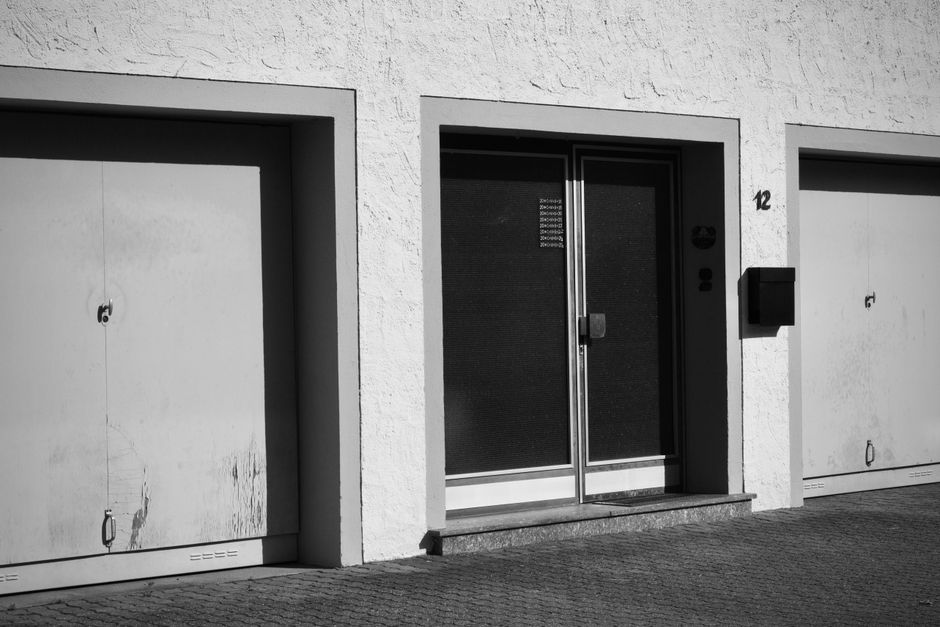
Most residential garages have one or two doors. A single door costs less than two doors, obviously, but the labor savings are smaller than you might think. The opening, frame, and setup take similar time regardless of how many doors you're putting in.
If you have two garage doors, replacing both at once is usually more cost-effective than replacing one now and another later. You save on the contractor's trip and setup time. However, if only one door is damaged, you can replace just that one.
Is Professional Installation Worth It
Garage door installation involves springs under high tension, heavy panels, and precise alignment. Springs can cause serious injury if mishandled, and a poorly installed door won't operate safely or smoothly. This is one job where hiring a licensed, insured contractor is strongly recommended, not optional.
A professional installer will ensure the door is level, balanced, and properly connected to the opener. They'll also test it and make adjustments. If something goes wrong, you have recourse and warranty coverage.
Getting Quotes and What to Ask
Most garage door contractors offer free in-home quotes. Get at least two or three before deciding. A quote should itemize the door, opener, hardware, and labor separately so you can compare apples to apples.
Ask about the warranty. Most doors come with a manufacturer warranty (often 5-10 years), and the contractor should offer a labor warranty too (usually 1-2 years). Ask what's covered and what's not.
Confirm that the quote includes removal of the old door and frame if needed, permits (if your area requires them), and cleanup. Some contractors roll these into the labor cost; others charge extra.
Check if the contractor is licensed and insured. They should carry liability insurance and workers' compensation if they have employees.
Budget Planning and Timing

If your garage door is stuck or broken, replacement can't wait. If it's older but still working, you can plan ahead and get quotes when you have time.
Installation usually takes a few hours, and you can schedule it around your work. Most contractors can fit you in within a week or two unless you're in a peak season.
Save your receipts and warranty paperwork. Knowing when the door was installed and what it includes helps if you need service or are selling your home later.
Common questions
Sometimes yes, sometimes no. If the frame, springs, and opener are in good condition, you might be able to replace just the panels. However, this is less common than a full replacement. Ask a contractor to inspect your current setup. If the frame is bent or the springs are worn out, replacing just the panels won't solve the problem.
A chain-drive opener uses a metal chain to lift the door, similar to a bicycle chain. It's affordable and reliable but noisier. A belt-drive opener uses a rubber belt instead, which is much quieter and smoother.
If your garage is attached to your home, insulation helps reduce heat loss and keeps the space more comfortable. It also muffles outside noise. If your garage is detached or you live in a mild climate, insulation is less critical, though it's still nice to have.
A new garage door improves curb appeal and shows potential buyers that the home has been maintained. Replacing an old, broken, or ugly door is a smart move before selling. However, the return on investment varies by region and market. A new door is practical and expected; it's not a luxury upgrade that commands a big premium. For more detail on home improvement costs and priorities, The Home Answer Book covers the economics of common repairs and upgrades.