Garage Door Spring Replacement Cost: What to Expect in 2026
Garage door spring replacement typically costs $150–$350 for one spring. Learn what affects the price and when to call a pro.

A broken garage door spring usually costs between $150 and $350 to replace, though the final bill depends on your location, the type of spring, and whether you're replacing one or multiple springs. Most homeowners pay somewhere in that range for a single spring replacement, including labor and parts.
Understanding Garage Door Spring Replacement Cost
Your garage door has either extension springs or torsion springs. Torsion springs, which sit above the door and twist to lift it, tend to cost more to replace than extension springs, which run along the sides of the door. The type you have will shift your total bill.
Related: How Much Does a Roof Replacement Cost in 2026
Related: How to Fix a Garage Door That Won't Open
Related: Why Won't My Garage Door Close All the Way? 6 Fixes
Related: Why Is My Garage Door So Loud? Common Causes & Fixes
Labor makes up a big chunk of the cost. A technician has to safely release tension, remove the broken spring, install the new one, and test the door. Because spring replacement involves high-pressure components and potential safety hazards, this is work that should be left to a licensed professional with proper tools and training.
Geographic location matters too. A spring replacement in a rural area might be cheaper than the same job in a major metro area. Seasonal demand, local competition among garage door companies, and regional labor rates all play a role.
What Drives the Price Up or Down
Several factors shift your final cost within or beyond the typical $150–$350 range:
- Single vs. multiple springs. Most doors have either one or two springs. Replacing both at the same time costs roughly double, but many technicians recommend replacing both even if only one is broken, since springs wear together and a second one often fails soon after.
- Spring type. Torsion springs generally cost more than extension springs because they're harder to install and require more precise setup.
- Warranty options. A lifetime warranty on the new spring will increase your upfront cost, sometimes significantly.
- Service call fees. Some technicians charge a separate diagnostic or trip fee, while others roll it into the replacement cost.
- Emergency or after-hours service. If your door breaks on a weekend or at night and you need immediate help, expect to pay a premium.
- Door size and weight. Heavier, larger doors need heavier-duty springs, which cost more.
Typical Price Ranges You'll See
Here's what homeowners usually encounter:
- Single extension spring replacement: $150–$250
- Single torsion spring replacement: $200–$350
- Both springs replaced: $300–$540
- Multiple springs with lifetime warranty: $1,100–$1,200
If you get a quote significantly higher than these ranges, like $800 or $1,800 for a single spring, ask why. It could mean the company is offering premium service, warranty coverage, or additional work, or it could signal upselling. A second opinion is worth getting.
Why You Shouldn't Replace Springs Yourself
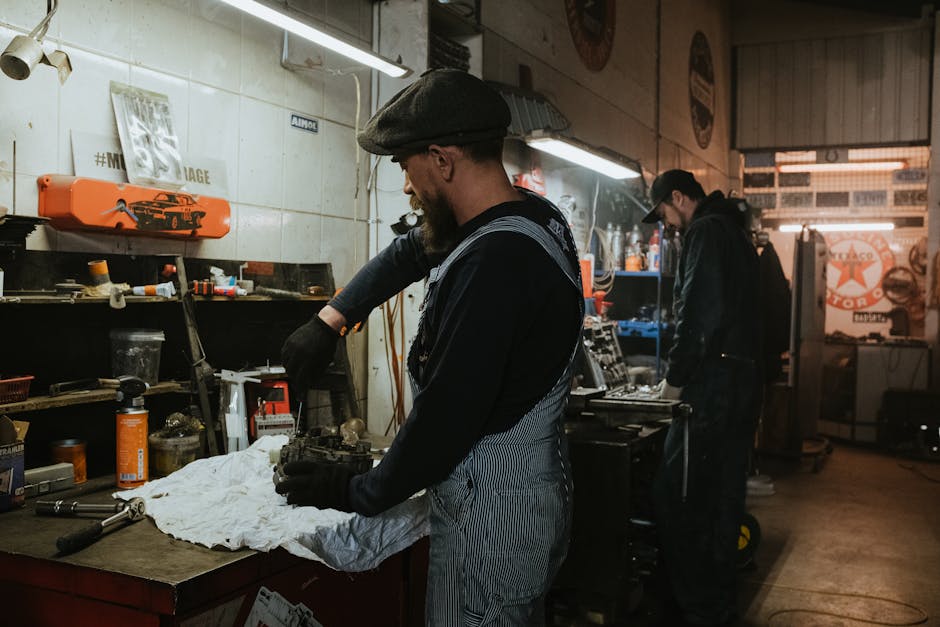
Garage door springs operate under extreme tension. When they break, that energy has to go somewhere, and it can cause serious injury if you're not trained and equipped to handle it. Spring replacement requires special winding tools, precise tension measurements, and knowledge of how to safely manage that release of energy.
Beyond safety, if something goes wrong during a DIY replacement, you could damage your garage door, void any warranty, or create a situation where the door doesn't operate properly. Hiring a licensed technician protects you, your property, and ensures the job is done correctly.
Ask about their warranty on parts and labor, and get a written estimate before work begins.
How to Know When Your Spring Is Broken
Common signs include:
- The garage door won't open, even though the opener sounds like it's working.
- The door opens partway and stops or falls suddenly.
- You hear a loud bang or snap from above the door.
- The door looks crooked or unbalanced.
- One side of the door is higher than the other.
If you see any of these, stop trying to use the door and call a professional. A broken spring can allow the door to fall unexpectedly.
Steps to Take When Your Spring Breaks
First, stop using the door. Don't try to force it open or closed. Next, call a licensed garage door technician in your area. Get at least two estimates so you can compare pricing and service. Ask each technician if they recommend replacing both springs or just the broken one.
Most pros will suggest replacing both springs at once, since they wear at the same rate and the second is likely to fail soon. This can be a tough conversation financially, but it often saves money in the long run by preventing a second service call in a few months.
Review the written estimate carefully. It should list the parts, labor, any travel or service fees, and the warranty. Once you agree on price and service, schedule the work.
The entire replacement typically takes 30 minutes to an hour. The technician will test the door after installation to make sure it opens and closes smoothly and is balanced.
Prevention: Making Springs Last Longer
Garage door springs wear out over time through normal use, but you can extend their lifespan with basic maintenance:
- Keep tracks clean. Dirt and debris in the tracks force the door to work harder, stressing the springs.
- Lubricate moving parts. Use a silicone spray on hinges, rollers, and springs at least once a year. This reduces friction and wear.
- Don't slam the door. Gentle, smooth operation is easier on springs than rough handling.
- Balance your door. If the door is out of balance, it puts extra stress on springs. A professional can adjust this.
Common questions
Most garage door springs are rated for 10,000 to 15,000 cycles, which usually translates to 7 to 12 years depending on how often you use your door. Heavier doors and frequent use wear springs faster. Some premium springs come with lifetime warranties, meaning they're replaced free if they break, though the initial cost is higher.
Replacing just one spring costs less upfront, typically $150–$350. But if both springs are original and close in age, the second one will likely fail within months or a couple of years. Many technicians recommend replacing both at once to save money on repeat service calls and labor. The combined cost for two springs is usually less than paying for two separate repairs.
Garage door springs can't be repaired once they break. They must be replaced. If a spring is showing signs of wear, rust, or minor damage but hasn't snapped, lubrication and adjustment may help for a while, but eventual replacement is inevitable. There's no practical fix for a broken spring other than replacement.
There's no technical reason to wait, but emergency service calls in winter (when doors tend to freeze or break more often) often come with premium pricing. If your spring breaks in an emergency and you can't use your door, you may have no choice. If you're planning maintenance or know a spring is getting old, addressing it in spring or fall when demand is lower might mean lower costs.