Baseboard Heater: How It Works & How to Use It
Learn how baseboard heaters work, how to operate them safely, and tips to keep them running efficiently in your home.
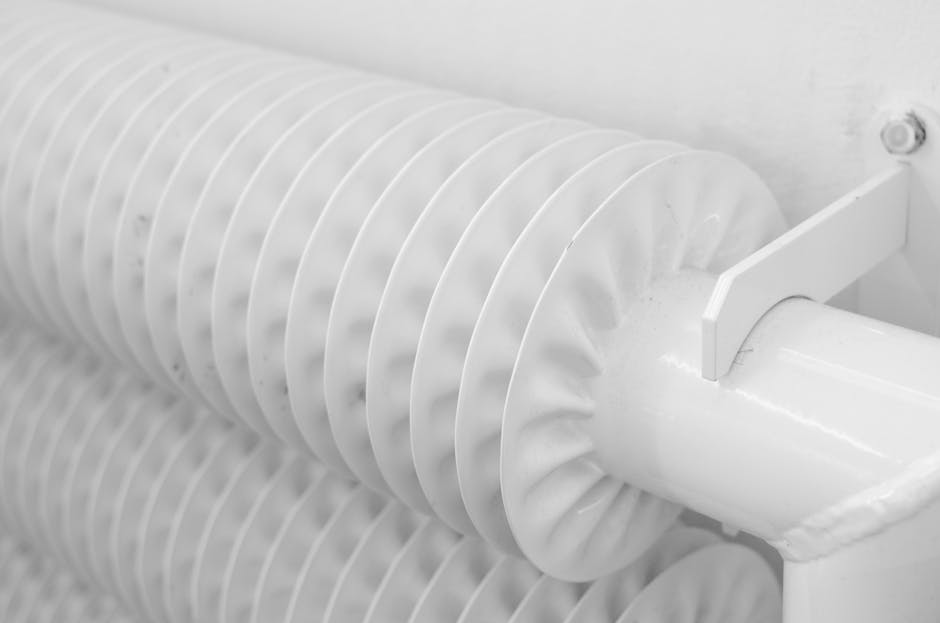
A baseboard heater is an electric heating unit that runs along the bottom of your walls, usually under windows or along exterior walls. It's one of the most straightforward ways to add heat to a room, and it works independently of your central heating system. If you have one in your home, understanding how to use it properly can help you stay comfortable and keep your energy bills reasonable.
How a Baseboard Heater Works
Baseboard heaters are simple devices. You plug them in (or they're hardwired into your home's electrical system), and when you turn them on, electric current heats a metal element inside the unit. That element gets hot, and air naturally rises around it, warming your room. The heat spreads through convection, which means warm air moves up and circulates around the space.
Unlike forced-air systems, baseboard heaters don't blow heat. They're quiet and don't require ductwork. Each heater can be controlled independently, so you can heat one room without heating your whole house. This is especially useful if you spend most of your time in certain areas of your home.
Where Baseboard Heaters Are Commonly Used
You'll often find baseboard heaters in bedrooms, home offices, living areas, or any room where you want independent temperature control. They're popular as supplementary heat in homes that have central air conditioning but need extra warmth in cold months. Some homes rely on baseboard heaters as their primary heat source, though this is less common in colder climates.
They're also practical for rental properties, finished basements, additions, or rooms that don't connect well to your main heating system. If your central heating doesn't reach certain rooms effectively, a baseboard heater can fill that gap.
How to Operate Your Baseboard Heater
Operating a baseboard heater is straightforward. Most have a simple dial or digital thermostat on the unit itself. You set your desired temperature, and the heater cycles on and off automatically to maintain that warmth.
Start by setting the temperature to a comfortable level. It's not an on-off switch that immediately blasts heat. The heating element takes time to warm up, so be patient. You might not feel warmth right away, but within a few minutes, the air around the heater will begin to warm and rise into your room.
If your heater has an adjustable thermostat, turn it down when you're not using the room. Lowering the temperature by just a few degrees can reduce energy use over time. Many people also turn off heaters in rooms they don't occupy regularly.
Tips for Efficient Baseboard Heater Use

Keep the area around your heater clear. Don't block it with furniture, curtains, or other objects. Blockages trap heat and reduce air circulation, making the heater work harder and less effectively. You want air to flow freely around and above the unit.
Keep the heater clean. Dust buildup reduces efficiency and can be a fire hazard. Vacuum or wipe down the fins and grilles regularly, especially if the heater gets dusty in your home. A clean heater performs better and lasts longer.
Use zone heating strategically. Rather than heating every room to the same temperature, heat only the spaces you're actively using. Close doors to unused rooms and keep their heaters off or set to a lower temperature. This approach can noticeably lower your overall heating costs.
Check your thermostat settings often. Some heaters have built-in thermostat controls that can drift or wear out over time. If your heater seems to run constantly or not at all, the thermostat might need adjustment or replacement. If you're unsure, it's worth having a licensed professional take a look.
Related: What Is a Gas Furnace? How It Works & When to Replace
Related: TPO Roofing: What It Is and How It Works
When to Call a Professional
If your baseboard heater won't turn on, runs constantly, smells strange, or doesn't seem to heat properly, don't try to fix it yourself. Any repair involving electrical components should be handled by a licensed electrician. If your heater is hardwired into your home's electrical system (rather than plugged into an outlet), definitely hire a professional for any work.
If you're thinking about installing new baseboard heaters or replacing old ones, that's also a job for a licensed electrician. They'll ensure everything is wired safely and meets local building codes.
Baseboard Heater Safety Basics
Keep flammable items away from your heater. That means no curtains, bedding, paper, or other materials close to the unit. Baseboard heaters get hot, and anything too close can catch fire.
Never cover a heater, even partially. Covers block airflow and can cause the unit to overheat or malfunction.
If you have young children or pets, teach them not to touch the heater. It gets very hot during operation.
If your heater has a plug, inspect the cord regularly for damage. If the cord looks frayed, cracked, or damaged, unplug it immediately and don't use it again.
Comparing Baseboard Heat to Other Options
Baseboard heaters are cheaper to install than central heating systems, but they typically cost more to operate over time because electric heating is less efficient than gas or furnace" class="ilink">heat pump systems in many regions. They're ideal if you want targeted heat in one or two rooms, not for heating an entire home economically in a cold climate.
They're quieter than space heaters and don't take up floor space. They're also safer than many portable heaters because they're stationary and harder to knock over or block accidentally.
Common questions
That depends on your local electricity rates, the heater's wattage, and how often you use it. A typical baseboard heater draws between 500 and 1,500 watts. Running a 1,000-watt heater for 8 hours a day will cost more than running a 500-watt heater for 2 hours a day. Check your electricity bill to see your per-kilowatt rate, then calculate based on your usage. Generally, baseboard heaters are one of the more expensive ways to heat because electricity costs more per unit of heat than gas or other fuels in most places.
Technically yes, but it's not efficient or cost-effective. Leaving it on continuously will drive up your energy bill. Instead, use a heater only when you're in the room or need the space warm. Set the thermostat to a lower temperature when you're away or sleeping. Most heaters have a built-in thermostat that cycles on and off as needed once you set your desired temperature, so you don't have to manually turn it on and off every time.
A little clicking or popping is normal when the metal expands and contracts as it heats and cools. If you hear a loud humming, buzzing, or grinding sound, or if the noise is constant, the heater may have an internal problem. Turn it off and have a licensed electrician inspect it. It could be a motor issue, a loose component, or a failing thermostat.
Yes, many bathrooms have baseboard heaters. Just keep it away from water sources and never splash water on it. Install it somewhere it won't get wet during showers or baths. If your bathroom is very humid, moisture can eventually damage the heater's internal components, so good ventilation is important. If your bathroom doesn't have a heater and you want to add one, hire a licensed electrician to do the installation safely.


