What Is an Air Conditioning Unit? Types, How They Work
Learn what an air conditioning unit is, how different types work, and what to consider before buying one for your home.
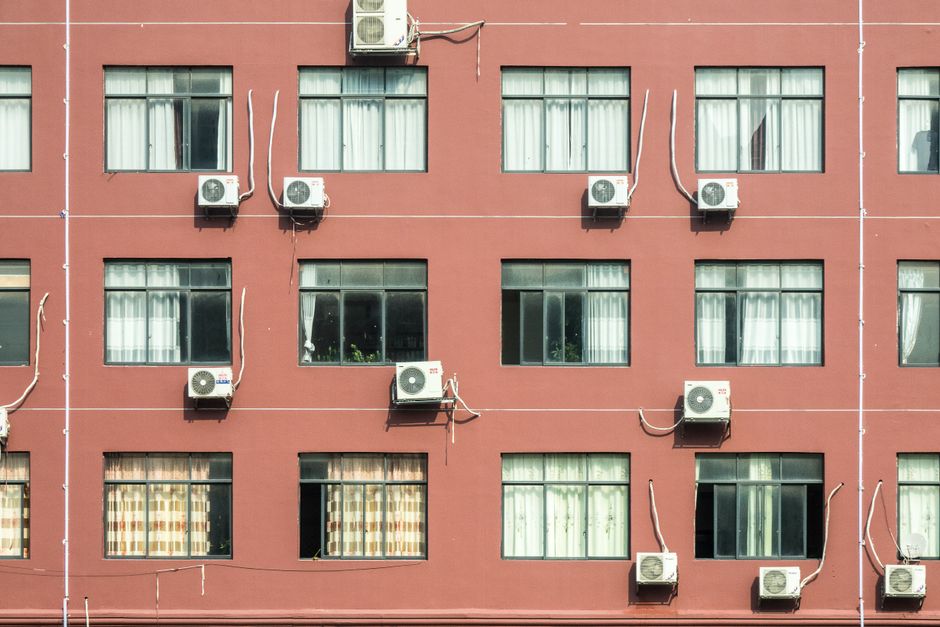
An air conditioning unit is a machine that cools the air in your home or a single room by removing heat and moisture. It works by circulating refrigerant through a closed loop, pulling warm air from inside, cooling it down, and pushing that cold air back into the space. The warm air it pulled out gets vented outside (in most cases). That's the basic idea behind every AC unit you'll encounter, whether it's mounted in a window, sitting on your floor, or built into your wall.
If you're shopping for an air conditioning unit or wondering how one might fit into your home, here's what you need to know to make an informed choice.
Related: Central Air Conditioning Cost: What to Expect in 2026
Types of Air Conditioning Units
Not all air conditioning units are the same. The type you choose depends on your space, budget, and how permanent you want the installation to be.
Related: Space Heater: Types, Safety & How to Choose One
Related: What Is a Water Pump? Types, Uses & How They Work
Related: Propane Heater: Types, Uses & What to Know
Related: What Is an Electric Heater? Types, Uses & How They Work
Related: Gas Water Heater: How They Work and When to Use One
Window Units
A window unit is mounted directly into a window frame. Half of the unit sits inside your room, and half extends outside. These are popular because they're affordable, require no structural changes to your home, and can be removed or relocated fairly easily. They work best in single rooms or small spaces.
Portable Units
Portable air conditioning units stand on the floor and can be rolled from room to room. They have a hose or duct that vents hot air outside through a window or wall opening. These are flexible and easy to set up, but they tend to be louder and less efficient than window or wall-mounted units. They also take up floor space.
Wall-Mounted Units
A wall unit is installed directly into an exterior wall or through a wall opening. Unlike window units, these don't take up your window space, and they often look cleaner. Installation is more involved and usually requires professional help, but they're typically quieter and more efficient than portable models.
Split Systems
A split system has two parts: an indoor unit (usually mounted high on a wall) and an outdoor compressor. They're quiet, efficient, and don't block windows. However, installation is more complex and expensive than a simple window unit.
Understanding Cooling Capacity and Size Matching
Choosing the right air conditioning unit size for your space is crucial. If you buy one that's too small, it won't cool your room effectively. If you buy one that's too large, it'll cycle on and off frequently, waste energy, and may not remove humidity properly.
Cooling capacity is measured in BTU, which stands for British Thermal Units. The number of BTUs you need depends on your room's square footage.
- For rooms up to about 300 square feet, look for units in the 5,000-8,000 BTU range.
- For rooms between 300 and 500 square feet, aim for 8,000-12,000 BTU.
- Larger spaces need 12,000 BTU or higher.
Other factors that affect the cooling capacity you'll need include how much sunlight your room gets, how well insulated the space is, and how hot your climate gets. A room with large windows on the south side or poor insulation will need a higher capacity unit than the square footage alone would suggest.
What to Know About Efficiency Ratings
Modern air conditioning units are rated for efficiency using a metric called SEER2. This number tells you how much cooling the unit produces per unit of energy it uses. A higher SEER2 rating means better efficiency and lower operating costs over time, though the unit typically costs more upfront.
As of 2026, new AC units must meet updated SEER2 standards set by federal regulations. These newer units are generally more efficient than older models. You may see SEER2 ratings ranging from around 13 (the minimum) up to 21 or higher on premium units.
Another thing to know is that most new air conditioning units use R-32 refrigerant, which has replaced older refrigerant types. This shift reflects environmental regulations and improved efficiency. When you're comparing units or talking to an installer, you'll likely see R-32 listed as the standard.
Energy efficiency also means environmental impact. A more efficient air conditioning unit uses less electricity, which reduces your carbon footprint over the life of the machine. If you use your AC heavily, investing in a higher-efficiency model can pay for itself in energy savings.
Installation Considerations
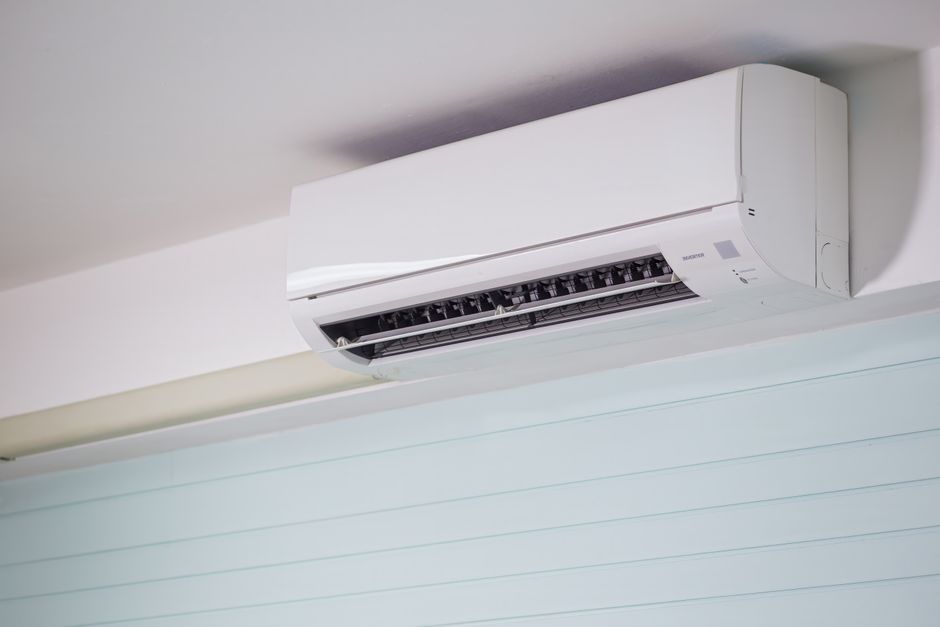
How you install your air conditioning unit matters as much as which one you buy. Poor installation can reduce efficiency, create air leaks, allow noise to escape into your home, or even damage your window frame or wall.
For a window unit, you can often do the installation yourself if you're handy. You'll need to make sure the unit is level, sealed properly to prevent warm air from leaking back in, and securely supported so it doesn't fall.
Wall units and split systems typically require a licensed professional. These installations often involve drilling through exterior walls, handling refrigerant lines, and making electrical connections. This isn't a DIY job in most cases.
When you get a proposal from a contractor or installer, ask for a clear, detailed breakdown that includes the equipment model and specifications, the scope of work, labor costs, and warranty coverage. A good installer will also explain how they'll seal and insulate the unit to maximize efficiency.
Quality installation protects your investment and ensures your air conditioning unit performs as designed.
Cost Factors to Keep in Mind
The cost of an air conditioning unit depends on several variables: the type, cooling capacity, efficiency rating, brand reputation, and where you live. It also depends on whether you're buying just the unit or paying for installation and labor.
Window units are typically the most affordable option upfront. Wall-mounted and split systems cost more because installation is more complex. Portable units fall somewhere in the middle.
Higher efficiency ratings (better SEER2 numbers) mean higher upfront costs, but lower monthly energy bills. Labor costs vary significantly by region, home size, and the difficulty of the job. Always get multiple estimates before deciding.
Maintenance and Long-Term Care
An air conditioning unit requires basic maintenance to run efficiently and last a long time. This includes cleaning or replacing filters regularly (often monthly during heavy use), keeping the outdoor compressor clear of leaves and debris, and having it serviced by a professional every year or two.
Neglecting maintenance shortens the unit's lifespan and reduces cooling performance. Most air conditioning units last between 10 and 15 years with proper care, though some may last longer.
Common questions
Most air conditioning units last between 10 and 15 years with regular maintenance. Window units may last toward the shorter end of that range, while well-maintained split systems or wall units often reach 15 years or beyond. Factors like climate, usage frequency, and how well you keep up with filters and servicing all affect lifespan.
Many homeowners can install a window unit on their own if they follow the manufacturer's instructions carefully. You'll need to ensure the unit is level, properly sealed to prevent air leaks, and securely supported in the frame. If you're uncomfortable with the process or your window type makes installation complicated, hire a professional. Wall units and split systems should almost always be installed by a licensed technician.
SEER2 is a rating that measures how efficiently an air conditioning unit uses electricity to produce cooling. A higher SEER2 number means better efficiency and lower operating costs. As of 2026, all new units must meet updated federal SEER2 standards. Choosing a higher-efficiency unit costs more upfront but saves money on energy bills over time and reduces environmental impact.
Basic maintenance like cleaning filters you can do yourself, but annual professional servicing is a good idea. A technician can check refrigerant levels, inspect electrical connections, clean internal components, and catch problems early. This routine care extends the life of your unit and keeps it running at peak efficiency.


