Pet-Friendly House Cleaning in San Diego: How to Hire a Cleaner Who Is Safe for Your Pets
What makes house cleaning pet-friendly in San Diego: the products to watch, the questions to ask, and how to get your home and pets ready.
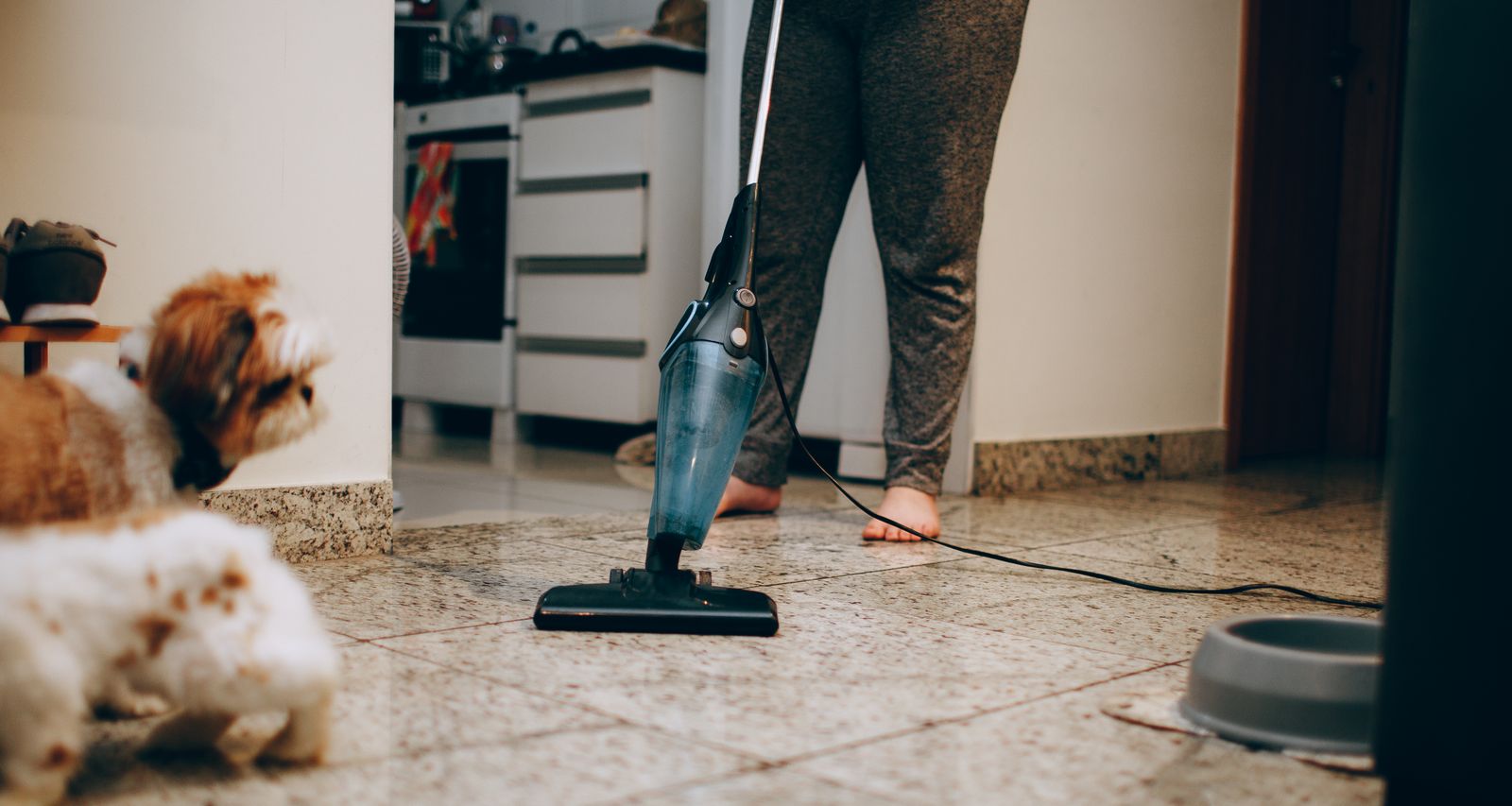
Photo: Helena Lopes on Pexels
The short answer
Pet-friendly house cleaning in San Diego means a cleaner who chooses products with pets in mind and uses them as the label directs, handles pet hair, stains and odors well, and works calmly around your animals. Choose one who can name every product it uses, keeps pets away until surfaces are dry, avoids essential oils around cats, treats accidents with an enzyme cleaner, carries insurance and, for a business working in the city, holds a City of San Diego Business Tax Certificate.
If you share your San Diego home with a dog, a cat or another pet, a house cleaning has two jobs: getting hair, dander and paw prints under control, and doing it without leaving anything behind that could harm your pet. This guide explains what pet-friendly cleaning really means, which products deserve care, and how to choose a cleaner and get your home ready.
What pet-friendly house cleaning means
“Pet-friendly” is not a regulated term: any cleaning company can use it. In practice, pet-friendly house cleaning in San Diego should mean three things:
- Products chosen with pets in mind, used the way their labels direct, and named when you ask.
- Methods that handle pets’ mess: hair, dander, paw prints, stains and odors.
- People who are comfortable around animals and follow your rules for them, such as keeping a door closed or leaving a crate alone.
Cleaning products and pets: what to watch
Pets walk on freshly cleaned floors, lick their paws and fur, and sleep close to the surfaces that get cleaned. The ASPCA’s advice is that most household cleaners are safe when they are used as directed, kept out of reach, and allowed to dry before pets come back. A few need extra care:
- Essential oils. Cats are especially vulnerable. The ASPCA lists stomach upset and nervous system depression, and possible liver damage, among the effects.
- Cationic detergents (quaternary ammonium compounds), found in fabric softener sheets and many disinfecting products. If a pet gets into them they can cause drooling, vomiting and ulcers in the mouth.
- Concentrated vinegar. Often seen as a natural cleaner, but at full strength it can cause vomiting, diarrhea and mouth irritation in pets.
- Alkaline grout sealers. These can cause drooling, vomiting and ulcers if swallowed.
- Bleach. Safe when properly diluted, used as the label directs and rinsed, according to the ASPCA. The risk is concentrated bleach and undiluted spills.
- Wet carpet shampoo. Let carpets dry before pets walk on them to avoid skin irritation or stomach upset.
If your pet swallows or licks a cleaning product, call your veterinarian or the ASPCA Animal Poison Control Center right away.
What to look for in pet-safer products
- The EPA Safer Choice label. To carry it, every ingredient in a product is reviewed by the EPA against criteria for human health and the environment. It is not a pet-safety rating, but it shows the formula was checked.
- Unscented or lightly scented products, especially in homes with cats, since many fragrances and “natural” scents rely on essential oils.
- Enzyme cleaners made for pet stains and odors.
- Product names, not promises. A pet-friendly cleaner can tell you exactly what it uses, or will use products you provide.
How pet-friendly cleaners handle hair, stains and odors
Pet hair and dander
A vacuum with a HEPA filter traps fine particles such as dander instead of blowing them back into the room. Upholstery, pet beds and stairs usually need a pass with an attachment or a rubber brush, and a damp microfiber cloth picks up hair from hard surfaces.
Accidents and urine
Animal welfare groups recommend enzyme cleaners for urine, because the enzymes break down the compounds that cause the smell. Ammonia and vinegar can leave an odor that draws a pet back to the same spot, and steam can set a urine stain and its smell into carpet and upholstery fibers.
Pet areas
Feeding spots, crates, beds and the floor around a litter box collect the most mess. Agree in advance which of these the cleaner should handle, since some companies do not touch litter boxes or wash pet bedding.
How to find pet-friendly house cleaning in San Diego
- Search with your neighborhood.Search for “pet friendly house cleaning” with your part of town or city, such as La Jolla, North Park, Pacific Beach, Clairemont, Mission Valley, Chula Vista or Escondido, and read reviews that mention pets.
- Ask the people who know your pet.Your veterinarian’s office, groomer, dog walker or pet sitter can often recommend cleaners who work well around animals.
- Ask neighbors. Community groups are a quick way to hear which local cleaners pet owners keep using.
- Call two or three companies. Ask the questions below and get each quote in writing.
Questions to ask before you book
- Which products will you use in my home, and can I see the labels?
- Can you use products I provide?
- What do you use on pet urine and other accidents?
- How do you handle pets during a visit, and will you keep doors and gates closed?
- Do you vacuum with a HEPA filter?
- Are you insured, and are your cleaners employees or independent contractors?
- Is the business bonded?
- Do you have a City of San Diego Business Tax Certificate (for a business working in the city)?
- Will the same cleaner come each visit?
Licenses, insurance and bonding in San Diego
Every business operating in the City of San Diego, including home-based businesses and self-employed cleaners, must register for a Business Tax Certificate with the City Treasurer. Other cities in San Diego County have their own business license rules, so check with the city where the company is based.
Insurance matters as much as paperwork. General liability insurance covers damage to your home. California law requires every employer to carry workers’ compensation insurance, even with a single employee, which matters if a cleaner is hurt while working in your home. A bond is extra protection if an employee is found to have stolen from a client. Ask for proof of each.
How to get your home and pets ready for cleaning day
- Keep pets in a closed room, a crate or the yard during the visit, or tell the cleaner how they behave and where they may go.
- Point out any door or gate that must stay closed, and any pet that tends to slip out.
- Pick up toys and food and water bowls from the floors that will be mopped.
- Show the cleaner the problem spots: accidents, shedding hot spots and the couch your dog sleeps on.
- Keep pets off freshly mopped floors and cleaned surfaces until they are dry.
- Open windows or run a fan if a product has a noticeable scent.
What affects the cost of pet-friendly house cleaning
Prices vary between companies and neighborhoods, so compare written quotes. What usually moves the price:
- The size of the home and the number of bathrooms.
- How many pets you have and how much they shed.
- A first deep clean compared with regular visits.
- How often the cleaner comes.
- Extras such as pet beds, windows, or the inside of the oven and fridge.
Ask whether the company adds a charge for pets, and what the quote includes.
The bottom line
In San Diego, a pet-friendly house cleaner is one who can name its products and uses them as directed, knows how to handle hair and accidents, respects your rules for your animals, and runs a proper business: insured, bonded if you want that protection, and registered with the city where it works.
Sources
Common questions
What does pet-friendly house cleaning mean?
House cleaning done with pets in mind: products used the way their labels direct and chosen with care around animals, methods that deal with pet hair, dander, stains and odors, and cleaners who work calmly around pets and follow the owner's rules for them.
Is pet-friendly cleaning the same as eco-friendly or green cleaning?
Not always. Eco-friendly products focus on the environment and human health, and some plant-based products contain essential oils, which the ASPCA notes cats are especially vulnerable to. Ask for product names either way.
Which cleaning products are a concern for pets?
The ASPCA singles out essential oils (cats are especially vulnerable), the cationic detergents in fabric softener sheets, concentrated vinegar and alkaline grout sealers. It considers bleach safe when properly diluted, used as directed and rinsed. Keep products out of reach and pets out of the room until surfaces are dry.
How do I find pet-friendly house cleaning in San Diego?
Search for pet-friendly house cleaning with your neighborhood or city, read reviews that mention pets, ask your veterinarian's office, groomer or neighbors, and ask each company which products it uses and how it handles pets during a visit.
Should my pet stay home during the cleaning?
A pet can stay home if it is calm around visitors and the cleaner is comfortable with it. Many owners keep pets in a closed room, a crate or the yard during the visit and keep them off floors until they are dry.
What should a cleaner use on pet urine?
An enzyme cleaner made for pet stains. Animal welfare groups advise against ammonia or vinegar, which can leave a smell that draws a pet back to the same spot, and against steam, which can set the stain and odor into fibers.
Do house cleaners in San Diego need a business license?
Every business operating in the City of San Diego, including home-based and self-employed cleaners, must register for a City of San Diego Business Tax Certificate. Other cities in San Diego County have their own business license rules.