The Best Flooring for Kitchens: Top Options Compared
Kitchen flooring takes abuse. Here's what works best for water, stains, and foot traffic—and how each option compares.
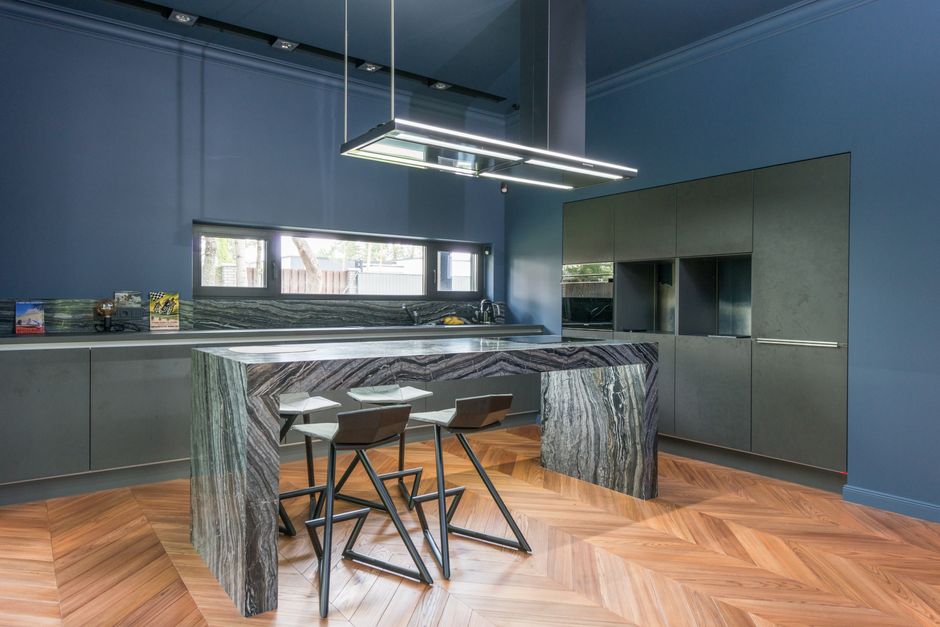
The best flooring for kitchens needs to handle moisture, resist stains, and stand up to daily wear. That rules out some popular choices and makes others shine. Let's walk through what actually works, so you can decide what fits your kitchen, your lifestyle, and your wallet.
What Makes Kitchen Flooring Different
Your kitchen isn't like your living room. Water splashes. Hot pans land on the floor. Crumbs and grease accumulate. You need a material that won't swell, stain, or deteriorate when liquids sit on it.
Related: Signs You Need to Replace Your Flooring
That's why some flooring materials that look great in bedrooms can fail in kitchens. The goal is something durable, water-resistant, and easy to clean.
Luxury Vinyl Plank (LVP): The Modern Kitchen Standard
Luxury vinyl plank has become the go-to choice for kitchens, and for good reason. It's waterproof, soft underfoot, and available in wood-look or stone-look finishes that mimic expensive materials.
LVP consists of a rigid or flexible core topped with a photographic layer and a protective wear layer. Water sits on top instead of soaking in, so spills don't cause swelling or rot. The surface is warm to stand on compared to tile or stone, and it's gentler on your knees and back if you're standing for long stretches.
Installation typically costs less than hardwood or tile. You can often install it yourself if you're handy, though some people prefer to hire someone. Maintenance is simple: sweep regularly and wipe up spills with a damp cloth. No special sealers needed.
The downsides are minimal. Some lower-quality vinyl can off-gas a chemical smell when new, though this fades quickly. Very high heat (like a pan fresh from the stovetop) can damage the surface if it sits too long, so you'll want trivets under hot cookware. And if you ever want to remove it, vinyl can be harder to recycle than some other materials.
Ceramic and Porcelain Tile: Waterproof and Stain-Resistant
Tile is practically indestructible in a kitchen. It's fired clay (ceramic) or dense porcelain that resists water, heat, and stains. You can set a hot pan directly on it without worry.
The real work with tile is the grout lines between the pieces. Grout is porous and traps dirt, oil, and bacteria. Keeping grout clean requires regular scrubbing, sealing, and sometimes professional deep cleaning. Dark grout hides dirt better than light grout, but shows dust and debris more easily.
Tile is cold and hard underfoot. If you drop a plate or glass, it will shatter. Dropped utensils are loud. Some people find this jarring in a kitchen where they spend time every day, though others don't mind it.
Installation is labor-intensive, which affects the overall cost. Tile lasts for decades once it's down, so the upfront expense spreads over time. If a tile cracks, you can replace just that one piece if you can match the original.
Hardwood and Engineered Hardwood: Beauty with Caution
Real hardwood flooring brings warmth and natural beauty to a kitchen. It feels good underfoot and adds resale value to your home. But hardwood and kitchens don't mix as well as they do in other rooms.
Related: How Much Does Hardwood Flooring Cost in 2026
Hardwood is vulnerable to moisture. Standing water, high humidity, and repeated spills cause the wood to swell, warp, and cup. Once damage sets in, it's often permanent. Hardwood also scratches easily and requires regular refinishing to maintain its appearance.
Engineered hardwood is a real wood veneer glued to a plywood base. It's more stable than solid hardwood and resists moisture better, but it's not waterproof. It still absorbs water and can suffer the same swelling and warping problems as solid hardwood, just more slowly.
If you love the look of wood in your kitchen, wood-look luxury vinyl or tile is a safer bet. You get the aesthetic without the water damage risk.
Laminate Flooring: Budget-Friendly but Limited

Laminate is a thin layer of wood-look paper glued to a plywood core. It's inexpensive and available in countless styles, which is why it's tempting for kitchens.
The problem is durability in wet conditions. Laminate's glued seams let water seep into the core, which swells and delaminates. Once moisture gets in, the damage spreads and you can't repair it. You have to replace the entire plank or section.
Laminate works in dry kitchens where spills are rare and you're diligent about wiping them up immediately. But if you have kids, pets, or a busy household, a more water-resistant option will last much longer.
Hybrid and Resilient Flooring: Newer Alternatives
Some flooring products blend the benefits of vinyl and tile. Hybrid resilient flooring uses a rigid core (often stone or limestone composite) topped with a vinyl wear layer. This creates a product that's completely waterproof, durable, and available in many finishes.
These products are still newer to the market, so long-term performance data is limited. But early results suggest they handle kitchens well. Installation and cost are similar to luxury vinyl.
Factors That Affect Your Choice
Your flooring decision depends on more than just water resistance. Here are other things to weigh:
Budget. Installation costs vary widely by region, material, and labor. Luxury vinyl and laminate are typically the most affordable. Tile and engineered hardwood run higher. Real hardwood is usually the most expensive.
Aesthetics. What look do you want? Modern concrete-style, rustic wood, Mediterranean tile, or something else? Most materials come in many finishes.
Comfort. Do you prefer a soft, warm surface (vinyl, laminate) or a hard, cool one (tile, stone)? This matters if you stand in your kitchen for long periods.
Maintenance. Some people enjoy refinishing hardwood and sealing grout. Others want to sweep and move on. Vinyl and laminate are the lowest-maintenance choices.
Lifespan. How long do you plan to stay in your home? Tile and hardwood last 20-30 years or more. Vinyl and laminate typically last 10-20 years before showing wear.
Installation Considerations
Most kitchen flooring can be installed by homeowners with the right tools and patience. Vinyl plank is the easiest, especially if it's click-together type. Tile requires more skill because grout application is finicky. Hardwood and engineered wood need acclimation to your home's humidity before installation.
If you're not confident in your DIY skills, hire a licensed flooring installer. They'll ensure the job is done right and often warranty their work. The labor cost is worth it if it means avoiding rework or damage.
Cost Ranges (Realistic Estimates)

Here's what you might expect to spend, though prices vary significantly by region, material quality, and whether you DIY or hire help:
Luxury vinyl plank: Material and installation typically range from moderate to moderate-plus per square foot. Budget for the full job depends on your kitchen size.
Ceramic or porcelain tile: More expensive than vinyl due to labor-intensive installation. Higher-end tiles and custom layouts cost more.
Engineered hardwood: Mid-to-high range, with installation adding significantly to material cost.
Laminate: Budget-friendly for materials, but you may pay more for installation if the subfloor needs work.
Hybrid resilient: Similar to luxury vinyl in cost.
Always get estimates from multiple installers and ask about warranty coverage. Some materials come with wear-through warranties, meaning they're free to replace if normal wear causes visible damage within a set timeframe.
When to Call a Professional
If your subfloor is damaged, uneven, or has moisture issues, a professional needs to address that first. Flooring installed over a bad subfloor will fail regardless of material quality. Structural problems, mold, or water damage should be inspected and remedied by someone qualified to assess and fix those issues.
For most people, the actual flooring installation benefits from a pro's experience, especially if you're doing tile or hardwood. A mistake during installation can cost more to fix than paying for labor upfront.
The Bottom Line
Luxury vinyl plank is the best all-around choice for most kitchens because it's waterproof, affordable, easy to maintain, and comfortable underfoot. Tile is excellent if you want maximum durability and don't mind the grout maintenance. Hardwood is beautiful but risky in a wet environment. Laminate is fine for light-use kitchens on a tight budget, but won't hold up to heavy spills and moisture.
Think about your household's lifestyle, how much time you spend cooking, and how many people use your kitchen. Then pick the material that aligns with your expectations for durability, maintenance, and budget.
Related Questions About Kitchen Flooring
Can you install new flooring over old flooring in a kitchen?
Sometimes, depending on the materials and condition of the existing floor. Vinyl can often go over old vinyl or tile if the surface is clean and level. Hardwood and laminate typically need the old floor removed because they're sensitive to moisture from below. Check with your installer about your specific situation, as building codes and subfloor conditions vary.
What's the easiest kitchen flooring to install yourself?
Luxury vinyl plank with a click-together system is the most DIY-friendly. It requires basic tools, no adhesive, and straightforward measurement and cutting. Tile and hardwood demand more experience to do well. If you've never installed flooring, start with vinyl or hire a pro.
How do you protect kitchen flooring from heat damage?
Use trivets or hot pads under pans fresh from the stove. Never set a hot pan directly on vinyl or laminate. Tile and hardwood handle heat better, but it's still good practice to protect all flooring. Keep rugs and mats in high-traffic areas to reduce wear.
How long does kitchen flooring typically last?
Tile and hardwood last 20-30 years or more with proper care. Engineered hardwood lasts 15-25 years. Luxury vinyl and hybrid products typically last 10-20 years. Laminate lasts 10-15 years, though it may show wear sooner if exposed to moisture. Lifespan depends on traffic, maintenance, and how carefully you handle spills.
Common questions
Sometimes, depending on the materials and condition of the existing floor. Vinyl can often go over old vinyl or tile if the surface is clean and level. Hardwood and laminate typically need the old floor removed because they're sensitive to moisture from below. Check with your installer about your specific situation, as building codes and subfloor conditions vary.
Luxury vinyl plank with a click-together system is the most DIY-friendly. It requires basic tools, no adhesive, and straightforward measurement and cutting. Tile and hardwood demand more experience to do well. If you've never installed flooring, start with vinyl or hire a pro.
Use trivets or hot pads under pans fresh from the stove. Never set a hot pan directly on vinyl or laminate. Tile and hardwood handle heat better, but it's still good practice to protect all flooring. Keep rugs and mats in high-traffic areas to reduce wear.
Tile and hardwood last 20-30 years or more with proper care. Engineered hardwood lasts 15-25 years. Luxury vinyl and hybrid products typically last 10-20 years. Laminate lasts 10-15 years, though it may show wear sooner if exposed to moisture. Lifespan depends on traffic, maintenance, and how carefully you handle spills.