Do You Really Need Primer Before Painting? A Homeowner's Guide
Not always. Skip primer on most repaints, but use it on raw wood, fresh drywall, glossy surfaces, and stains. Here's when it actually matters.

The short answer is no, you do not always need primer before painting. If you are repainting a wall that is already painted and in decent condition, you can often skip the primer and go straight to your topcoat paint. But there are real situations where primer becomes essential, and skipping it in those cases will waste time, money, and frustration.
The key is knowing your surface. A wall that has been painted before behaves completely differently than bare drywall or raw wood. Glossy finishes, water stains, and dramatic color changes also change the equation.
Related: How to Repair Drywall Before Painting: A Step-by-Step Guide
When You Can Skip Primer
If your wall is already painted with regular flat, eggshell, or satin paint, and the surface is clean and in good shape, primer is usually not necessary. The existing paint is already doing the job that primer would do: it is protecting the drywall and giving your new paint something to stick to.
This applies to most interior wall repaints. You wash the wall, maybe patch a few holes, and then apply your new color directly. Two coats of quality paint will cover most existing colors just fine. Primer only becomes the smarter choice when something changes about your surface or your goals.
When Primer Actually Matters
Primer becomes necessary on raw or unfinished surfaces. If you are painting bare drywall, fresh wood, or any material that has never been sealed, primer is your first line of defense.
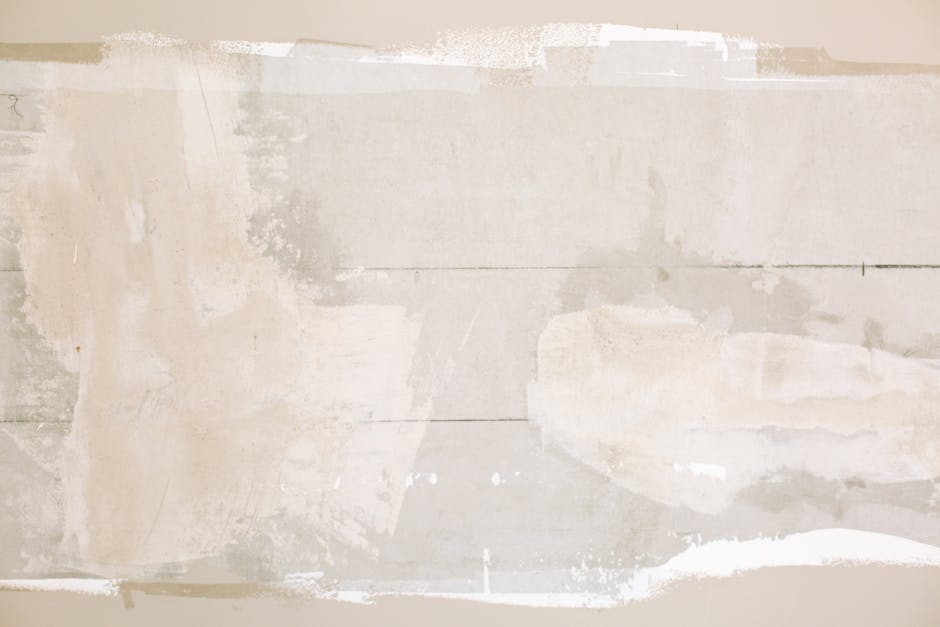
Drywall is extremely porous. It soaks up paint like a sponge. Without primer, you will need multiple coats of paint to get even coverage, and the drywall will still look chalky and uneven. Primer seals the surface so that one or two topcoats give you a smooth, finished look. This actually saves you money and time compared to slapping paint directly on bare drywall.
The same logic applies to raw wood. Bare wood is hungry for paint. It pulls moisture unevenly from your topcoat, causing the finish to dry inconsistently. Primer levels that playing field and ensures your paint color and sheen look uniform across the wood.
Glossy Surfaces Need Primer
If your existing paint is glossy or high-gloss, primer is important. Glossy finishes are slick, and regular paint does not grip slick surfaces well. Without primer, your new paint may peel or chip more easily.
A primer designed for glossy surfaces (sometimes called a bonding primer) has better adhesion chemistry. It bites into that slick finish so that your topcoat paint sticks around. This is especially true if you are painting over old trim, cabinets, or doors that have a shiny finish.
Blocking Stains and Bleed-Through

Water stains, smoke damage, markers, crayons, and other marks can bleed through paint if you do not use primer. If you have a stain on your wall, painting over it with regular paint might seem to work at first. But as the paint dries and the room temperature changes, that stain often shows right back through.
Primer contains blocking agents that seal these stains. A quality stain-blocking primer will stop water marks, smoke residue, and other marks from bleeding through your topcoat. This is one of the most practical reasons to use primer, and it saves you from the frustration of painting twice.
Fresh water damage or old nicotine stains are prime examples. Do not skip primer on these surfaces, or you will be repainting in a few weeks.
Drastic Color Changes
When you are painting a very light color over a dark wall, or vice versa, primer helps. If you are going from a dark navy or black to white or cream, primer cuts down the number of topcoats you need. Without it, you might need three or four coats of light paint to fully cover the dark color underneath.
With primer, one or two coats of your topcoat will do the job. The primer provides a neutral, light base that your topcoat color sits on, rather than fighting the dark wall underneath.
How to Know If Your Surface Needs Primer
Ask yourself these questions: Is this a raw, unfinished surface (bare drywall, bare wood, new construction)? Is the existing surface glossy or high-gloss? Are there visible stains, water marks, or discoloration that might bleed through? Am I making a drastic color shift? Is this an unusual surface like metal, laminate, or tile?
If you answered yes to any of these, primer is the smarter choice. If you answered no to all of them, you can probably paint directly on your existing surface.
The extra cost and time of primer pay for themselves when it prevents peeling paint, stain bleed-through, or needing extra coats of expensive topcoat paint. Think of primer as an investment in a paint job that stays looking good.
Primer Type Matters

Not all primers are created equal. There are primers for drywall, primers for glossy surfaces, primers that block stains, primers for wood, and primers for metal. Using the right type for your specific situation makes a real difference.
A stain-blocking primer will not do anything special for raw drywall. A drywall primer will not adhere well to glossy surfaces. Reading the label and choosing a primer matched to your job is worth the extra minute it takes. Many paint stores can help you pick the right primer for your project if you describe your surface.
Save Money by Knowing When Primer Helps
Using primer strategically actually saves you money. On a standard interior repaint where the surface is already painted, primer is often wasted expense. You can skip it and put that money toward quality topcoat paint instead.
But on raw surfaces, stained walls, or glossy finishes, skipping primer costs you more in the long run. You end up buying extra paint to get adequate coverage, or you deal with peeling and staining six months later. Spending a little now on the right primer keeps your paint job looking good for years.
Common Mistakes to Avoid
Do not buy the cheapest primer available just because you think you need one. A poor quality primer will not block stains or adhere to glossy surfaces any better than paint. Spend a few dollars more on a good primer when you actually use one.
Do not assume all paint brands have primers that work well with their paints. They usually do, but the relationship is not automatic. Matching primer to topcoat brand is smart, but the right primer type matters more than the brand match.
Do not skip primer on raw drywall and expect one coat of paint to look finished. It will not. You will end up frustrated and the job will take longer.
People Also Ask
Can you paint over old paint without primer?
Yes, if the old paint is in good condition and not glossy. Clean the surface, patch any damage, and paint directly over it. If the old paint is glossy, peeling, or stained, use primer.
Do I need primer for a second coat of the same color?
No. If you are using the same paint color and the surface is fine, a second coat is just topcoat. Primer is not needed between coats of paint.
Is primer the same as paint?
No. Primer is formulated to adhere to difficult surfaces and block stains. Paint is formulated for color and sheen. They have different chemistry and different jobs. Using one in place of the other does not work well.
How long does primer take to dry?
Most primers dry to the touch in one to two hours, but drying time depends on temperature, humidity, and the type of primer. Check the label for the specific product you buy. Generally, wait at least a few hours before applying topcoat, or follow the manufacturer's guidance.
Common questions
Yes, if the old paint is in good condition and not glossy. Clean the surface, patch any damage, and paint directly over it. If the old paint is glossy, peeling, or stained, use primer.
No. If you are using the same paint color and the surface is fine, a second coat is just topcoat. Primer is not needed between coats of paint.
No. Primer is formulated to adhere to difficult surfaces and block stains. Paint is formulated for color and sheen. They have different chemistry and different jobs. Using one in place of the other does not work well.
Most primers dry to the touch in one to two hours, but drying time depends on temperature, humidity, and the type of primer. Check the label for the specific product you buy. Generally, wait at least a few hours before applying topcoat, or follow the manufacturer's guidance.